On this page
Strong team dynamics are one of the most reliable indicators of team success. When people know how to work together effectively, they are more engaged, collaborative, and aligned with shared goals.
So, what are the examples of effective team dynamics? This blog explores practical answers to that question. It highlights ten real-life team dynamics examples that show what effective collaboration, trust, and communication look like in action.
You will learn:
- How high-functioning teams communicate and support each other
- What makes certain team behaviors more productive than others
- How consistent recognition and clear roles improve performance
- Ways to identify and apply these dynamics in your own workplace
Whether you work in HR, lead teams, or influence team culture, these examples will give you a clear starting point to improve how your teams interact and deliver results.
Characteristics of Effective Team Dynamics
Before exploring specific examples, it's helpful to understand what makes team dynamics effective. These are the key characteristics that shape high-performing, engaged teams:
1. Clear goals and expectations
When everyone understands what they’re working toward and what’s expected of them, it removes confusion. Clear objectives help people stay aligned and make better decisions as a group. Each team member knows their role and how their work contributes to shared success.
2. Open communication
Open and respectful communication builds trust. In effective teams, people feel safe to voice ideas, ask for help, or challenge assumptions. These conversations help teams catch issues early, find better solutions, and avoid misunderstandings.
3. Mutual respect
Team members who respect one another listen actively, consider diverse perspectives, and give credit where it's due. Respect sets the foundation for collaboration and reduces friction, especially during tough conversations or project challenges.
4. Complementary skill sets
A team works better when its members bring different skills and strengths. This creates a balance—where one person’s weakness is covered by another’s strength. It also helps distribute work more effectively and enables more creative problem-solving.
5. Adaptability
No project goes exactly as planned. Teams that adapt quickly and adjust roles or approaches when needed are more likely to succeed. They stay focused on outcomes and don’t get stuck in rigid ways of working.
6. Recognition and appreciation
Teams perform better when people feel valued. Frequent appreciation—whether peer-to-peer or from managers—motivates team members to keep doing their best. It also strengthens relationships and boosts morale.
With Empuls, organizations can build these behaviors into everyday workflows through tools for recognition, communication, feedback, and team collaboration.
10 examples of effective team dynamics in action
These examples show how effective team dynamics can shape behavior, improve collaboration, and create a better work environment.
1. Cross-functional collaboration that solves problems faster
When marketing and product teams work in silos, delays and misalignment are common. In contrast, teams that collaborate early and share updates often build better solutions in less time. Clear responsibilities, shared goals, and regular sync-ups help reduce friction and drive faster outcomes.
How to support this: Use community groups and organizational charts in platforms like Empuls to connect cross-functional teams and promote transparency across departments.

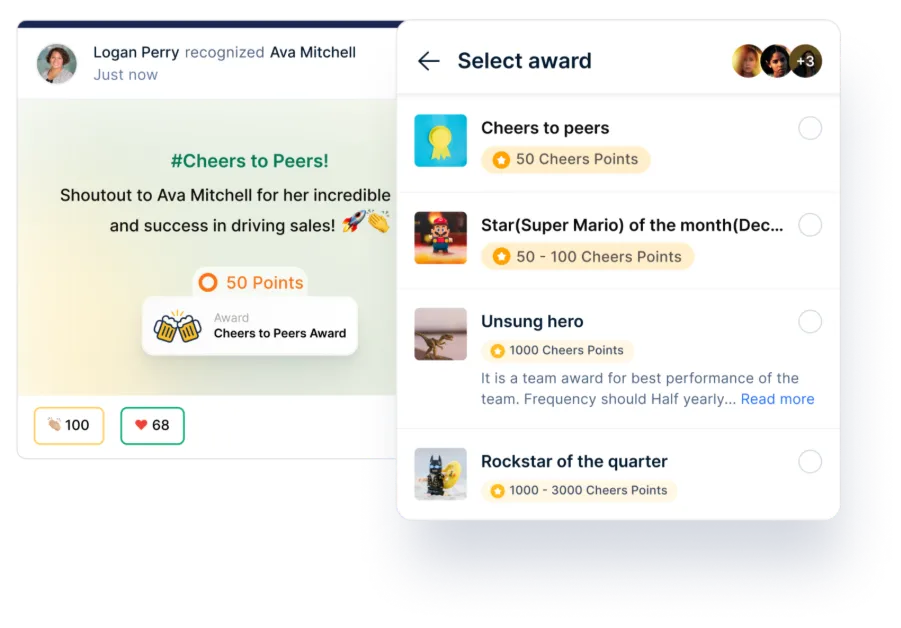
2. Peer recognition that strengthens trust
Teams that regularly recognize each other’s efforts build a culture of appreciation and accountability. Recognition from a peer often feels more personal and genuine. It motivates people to keep contributing, and it builds stronger team relationships.
How to support this: Empuls enables peer-to-peer recognition with smart nudges that remind team members to appreciate wins weekly, helping to build habits of trust and recognition.
3. Feedback loops that drive continuous improvement
High-performing teams give and receive feedback often. They use retrospectives, quick polls, or check-ins to gather insights and adjust their approach. These feedback loops improve communication, reduce repeated mistakes, and build resilience.
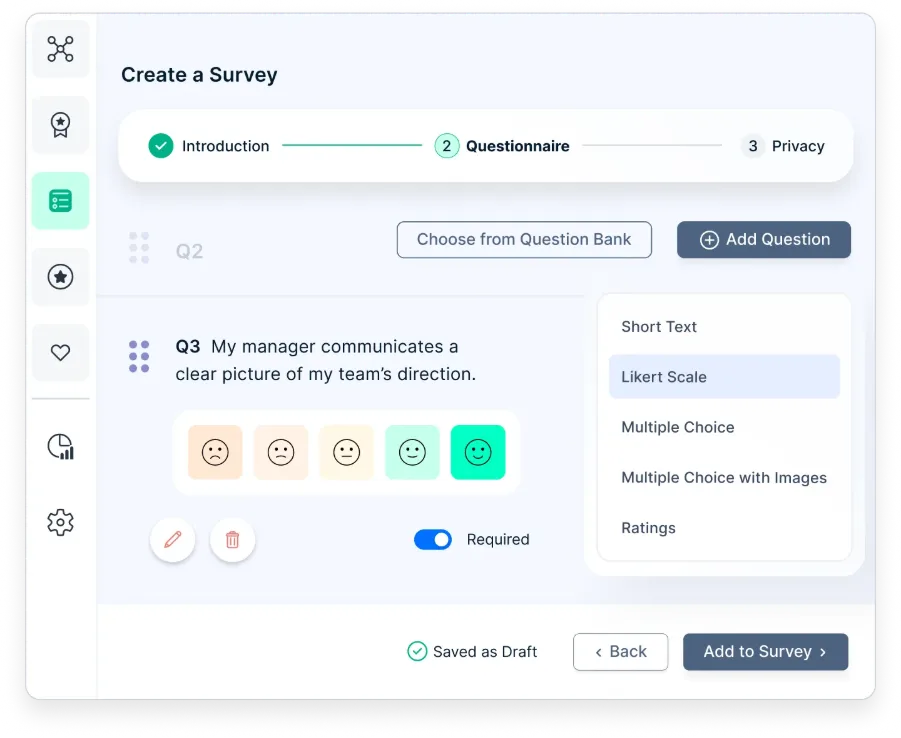
How to support this: Empuls offers pulse and lifecycle surveys with AI-driven insights and action plans to help leaders close feedback gaps and act with clarity.
4. Celebrating wins as a team
Teams that pause to celebrate progress, milestones, or individual achievements often have higher morale and stronger engagement. Whether it’s a product launch, a work anniversary, or the completion of a sprint, shared celebrations reinforce a sense of belonging and appreciation.
How to support this: Use digital Wishboards or a Wall of Fame to highlight achievements, birthdays, and service anniversaries. Empuls makes it easy to bring these moments to life across your office or digital screens.
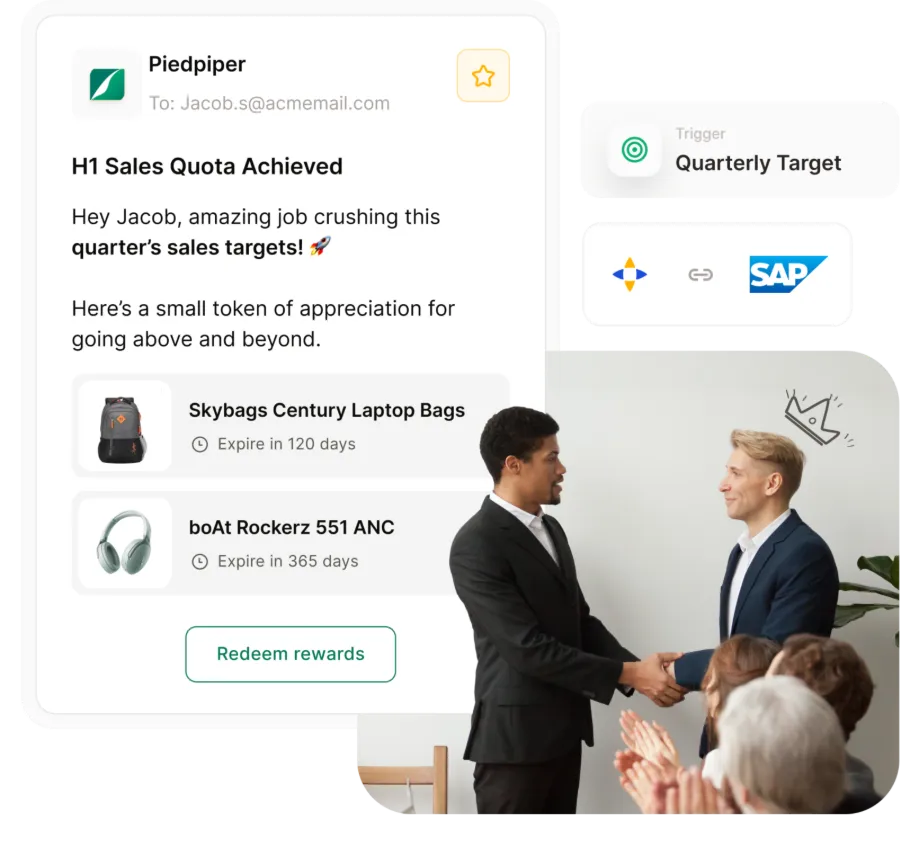
How to support this: Empuls sends weekly summaries of team achievements to managers and nudges them to recognize contributions immediately. This ensures no effort goes unnoticed.
6. Open communication that prevents conflict escalation
Disagreements are normal in any team. What sets effective teams apart is how they handle those moments. When team members feel safe to speak up and listen to one another, issues are resolved early and constructively.
How to support this: Tools like “Ask Me Anything” sessions, anonymous feedback, and social intranet posts in Empuls encourage transparent dialogue across all levels of the organization.
7. Recognition that includes everyone, across locations
In global teams, recognition often gets concentrated in certain regions or departments. Teams function better when every contributor, regardless of geography or role, feels valued and seen. Inclusive recognition helps reduce disengagement and prevent silos.
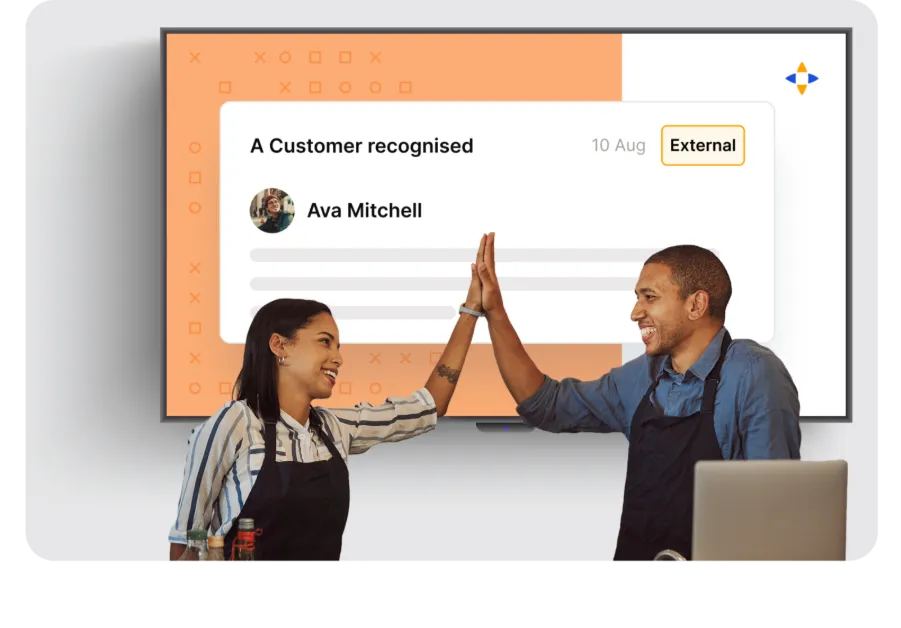
How to support this: Empuls supports multi-language, multi-currency recognition with features like the Wall of Fame in TV mode, which showcases achievements across locations and shifts.
8. Shared understanding of goals and priorities
Teams lose momentum when priorities are unclear. Effective dynamics rely on alignment. Everyone should know what the team is working toward and how their work contributes. This clarity improves focus and accountability.
How to support this: Use the Empuls intranet feed to share OKRs, project updates, and strategic priorities. Pinned posts and spotlight sections help keep important messages visible and timely.
9. Motivation through gamified performance tracking
Healthy competition can drive higher performance in sales or support teams. When people can track progress, see leaderboards, and earn rewards, it brings energy and accountability to routine tasks.
How to support this: Empuls enables gamification with custom leaderboards, goal tracking, and real-time sales incentives. It keeps teams motivated and focused without relying on manual dashboards.

10. Team formation based on complementary skills
Teams work best when roles and strengths are clearly defined and balanced. Putting people together based on complementary skills, rather than convenience, improves performance and collaboration. This applies to soft skills like communication, adaptability, or leadership.
How to support this: With AI-powered skill mapping in Empuls, HR leaders can identify skills from recognition data and form teams that bring out the best in each member.
How real companies build effective team dynamics
Here are five examples of organizations that have applied strong team dynamics to improve collaboration, trust, and performance. Each one highlights a different approach to building high-functioning teams.
1. Google – prioritizing psychological safety
Google’s Project Aristotle found that what mattered most in effective teams was not who was on the team, but how the team worked together. The most important dynamic was psychological safety—where team members feel safe to take risks and express themselves without fear of judgment. Other key traits included dependability, structure, meaning, and impact.
Source: Google’s re:Work Guide
2. Pixar – honest feedback and creative collaboration
Pixar nurtures team creativity through a process called “Braintrust” where filmmakers meet regularly to give candid, solution-focused feedback on story direction. These sessions are built on mutual respect and trust, which makes feedback easier to give and receive. This practice shows how open dialogue and feedback loops can drive innovation and team cohesion. (Source: Harvard Business Review)
3. Volvo cars – scaling agile teams with consistency
At Volvo Cars, thousands of employees across nearly 700 agile teams work within a shared framework to improve collaboration and team growth. They rely on continuous improvement tools, team development models, and shared rituals to make sure teams are aligned, self-aware, and productive. (Source: Research on Agile at Scale (arXiv))
4. Basecamp – trust and clarity in remote teams
Basecamp is known for its remote-first model, where trust, asynchronous communication, and written clarity replace meetings and micromanagement. Team members are encouraged to work autonomously, share progress openly, and respect each other’s time and focus. This creates a calm work environment built on mutual respect and individual responsibility.
5. Nongfu spring – collaborative decision-making
This beverage company in China has been studied for its ability to foster effective team decision-making and agile responses to market demands. By empowering teams to share information, provide input, and align on shared goals, they’ve built a model that balances fast execution with team alignment. (Source: International Journal of Global Entrepreneurship and Management)
Conclusion
Effective team dynamics do not happen by chance. They are built through intentional communication, consistent appreciation, and shared clarity on goals. The examples in this blog highlight how small changes—like recognizing effort promptly or encouraging open feedback—can lead to stronger collaboration and improved results.
If your goal is to strengthen how your teams interact and perform, start by identifying which of these dynamics are already present and where there may be gaps. Tools like Empuls help support this journey by making recognition, communication, and feedback part of everyday work.
Building better teams starts with better interactions. When people feel heard, appreciated, and aligned, they do their best work—together.