10 Winning People Sustainability Strategies to Future-Proof Your Workforce
Discover actionable strategies to strengthen people sustainability in your organization. From inclusive culture and flexible benefits to continuous feedback and digital well-being, this guide offers practical steps to create a workplace where employees can thrive.
On this page
Employee expectations have changed. Paychecks and perks are no longer enough. People are looking for belonging, purpose, support, and recognition at work. That shift has made people sustainability a priority for companies that want to attract and retain top talent.
People sustainability focuses on creating workplaces where employees feel safe, supported, and set up for growth. It ties directly to long-term outcomes like retention, engagement, innovation, and revenue.
This blog breaks down people sustainability into practical strategies any HR or business leader can apply.
In this blog, you’ll learn:
- What people sustainability means and why it matters in 2025
- Ten proven strategies to support employee well-being, development, and inclusion
- How to reduce attrition, improve engagement, and build trust across teams
- Real-world practices companies are using to connect purpose and performance
- How to use AI and automation to close recognition and feedback gaps
People sustainability goes beyond short-term engagement tactics. It supports long-term workforce resilience and better business outcomes. Backed by insights from leading workplaces, this guide will help you shape a culture that cares, listens, and grows with your people.
What is people sustainability?
People sustainability refers to the long-term practice of supporting employee well-being, development, inclusion, and voice. It means caring for employees in a way that supports both their success and the success of the business.
It includes five essential focus areas:
- Care: supporting physical, mental, and financial wellness
- Connect: fostering inclusion, trust, and alignment
- Appreciate: recognizing people consistently and meaningfully
- Celebrate: honoring achievements and milestones
- Listen: collecting feedback and acting on it
When employees feel supported across these areas, they stay longer, perform better, and contribute more to company goals.
Why people sustainability matters in 2026 and beyond
The workforce is under pressure. Employee stress, disengagement, and attrition are rising globally. According to Gallup’s State of the Global Workplace 2024, only 23% of employees feel engaged at work, and stress levels remain near record highs. At the same time, employees expect more from their employers—more flexibility, fairness, recognition, and support.
These expectations are not just employee preferences. They are key business signals. Companies that meet them are more likely to:
- Retain top performers
- Attract better talent
- Innovate faster
- Respond to change more effectively
In 2026, people sustainability is closely linked to business performance. It directly impacts areas like:
- Attrition and hiring costs
- Productivity and goal alignment
- Employer branding and reputation
- ESG reporting and compliance
Without a clear people sustainability strategy, businesses risk falling behind—not just in engagement but in growth.
10 proven people sustainability strategies
Here are ten people sustainability strategies that help create a supportive, purpose-driven culture. Each one is practical, backed by research, and built to meet the needs of modern workplaces. Use them as a framework to support your teams and strengthen long-term performance.
1. Design an inclusive culture by default
Inclusion is a key driver of people sustainability. It creates a workplace where employees feel safe to be themselves, valued for their input, and treated fairly—regardless of background, gender, age, or identity.
To build an inclusive culture:
- Set measurable DEI goals across hiring, promotions, and leadership
- Audit policies for bias and barriers
- Create safe spaces such as ERGs and peer groups
- Use anonymous feedback and pulse surveys to uncover blind spots
- Recognize and reward inclusive behaviors, not just outcomes
Tools like Empuls help drive this strategy forward. You can use community groups to foster inclusion across departments, run moderated conversations, and share recognition across diverse teams.
2. Support holistic employee well-being
Employee well-being is foundational to people sustainability. It affects performance, engagement, and retention. A well-being strategy should go beyond health insurance and gym discounts. It should support employees physically, mentally, and financially—every day, not just in emergencies.
To build a sustainable well-being strategy:
- Offer access to mental health resources, therapy, and stress management tools
- Promote preventive care and fitness through wellness challenges
- Provide flexibility for work-life balance
- Help employees build financial resilience through tax-free allowances and early wage access
- Recognize wellness efforts to reinforce healthy behavior
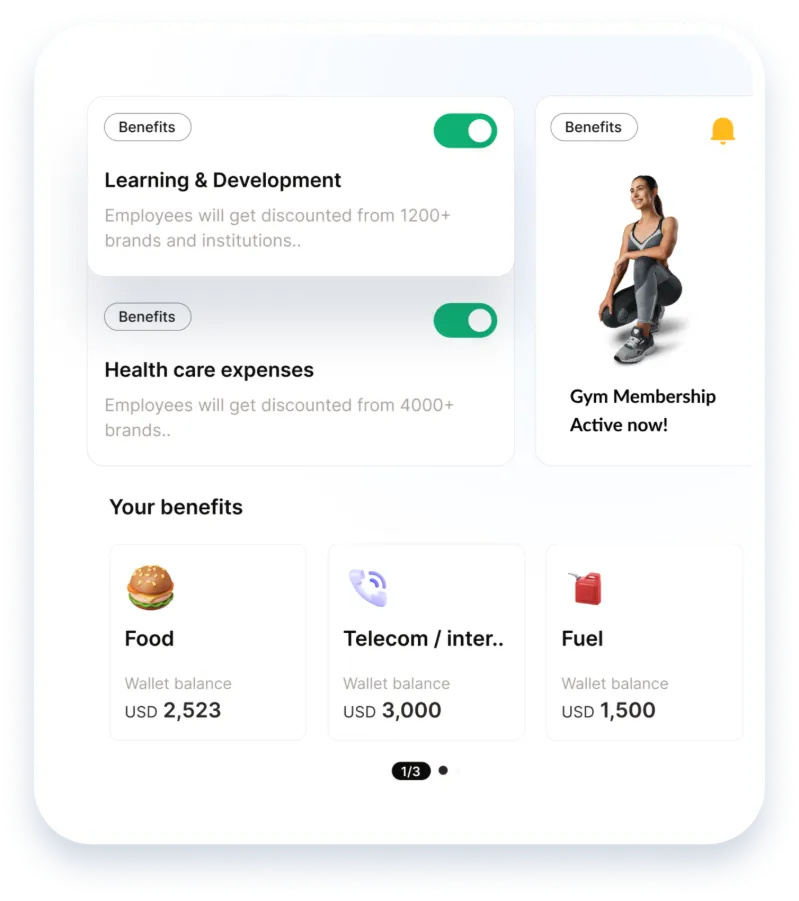
Empuls helps companies offer a single platform for managing these benefits. Employees can access tax-saving wallets for meals, fuel, and telecom, and choose lifestyle benefits across fitness, learning, wellness, and travel—all tracked and reported digitally.
3. Recognize and celebrate employees meaningfully
Recognition is one of the most effective ways to boost engagement and reinforce a strong culture. But for it to support people sustainability, it needs to be consistent, inclusive, and tied to values—not just top-down or once a year.
Recognition programs that work include multiple types of awards, peer appreciation, milestone celebrations, and real-time feedback. When employees feel recognized, they are 87% less likely to leave their organization.
Ways to create meaningful recognition:
- Set up peer-to-peer, spot, and nomination-based awards
- Celebrate moments like birthdays, work anniversaries, and personal wins
- Tie recognition to company values with custom award badges
- Automate milestones like service awards with personalized certificates and gifts
- Make appreciation visible through social feeds or a Wall of Fame
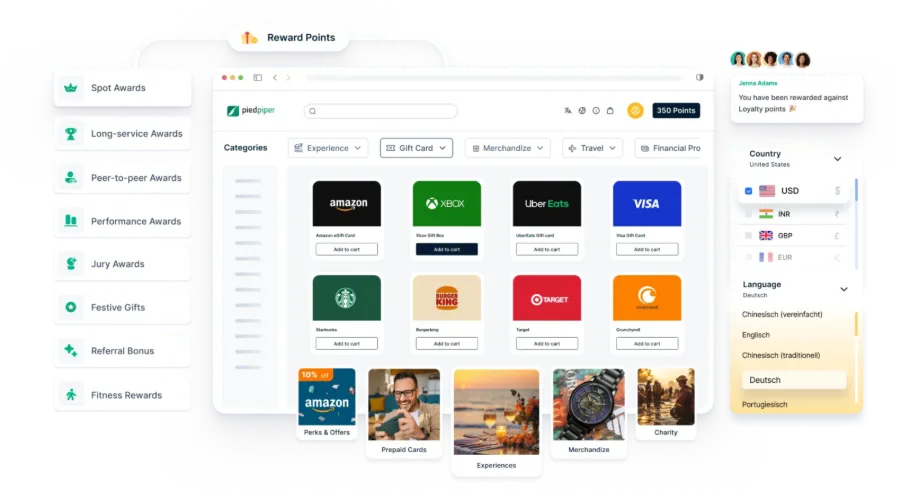
Empuls automates all types of recognition and rewards, from welcome gifts to service anniversaries, and offers a global reward catalog with over 10 million options across 100+ countries.
4. Align with ESG goals and activate employees
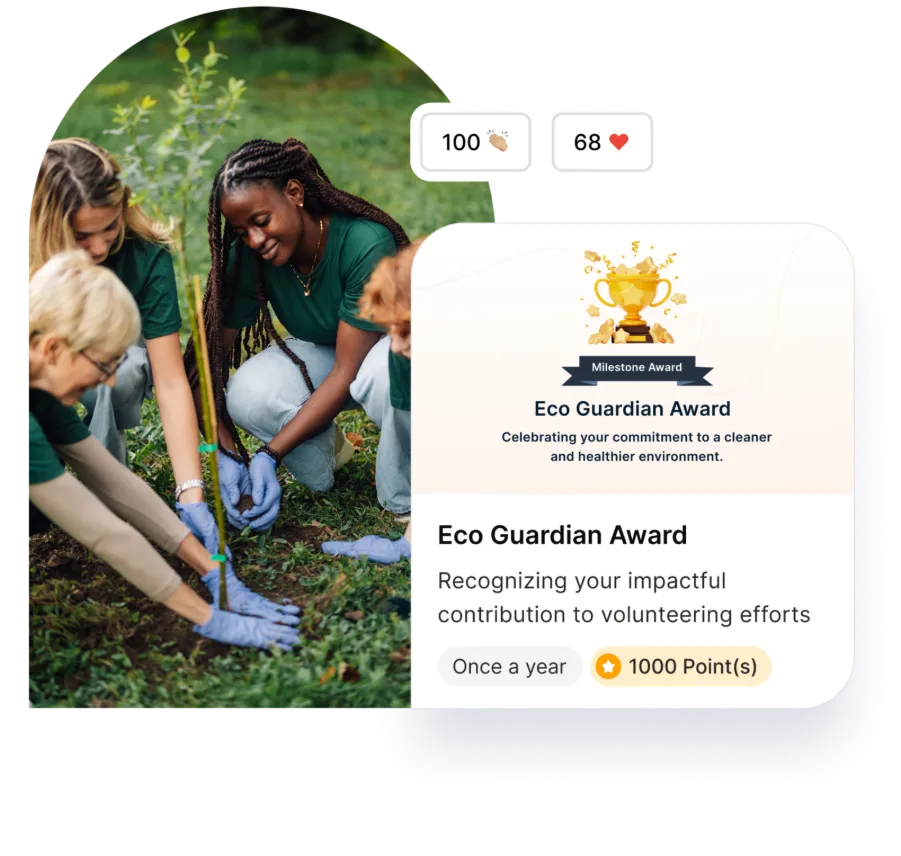
Environmental, social, and governance (ESG) goals are becoming part of board-level reporting, but their success depends on employee involvement. People sustainability connects directly to the social and governance aspects of ESG. Employees want to work for companies that stand for more than profit—and they expect to be part of the change.
A strong ESG strategy that includes employees can:
- Build trust and transparency
- Improve retention among purpose-driven workers
- Support compliance with new global standards
To involve employees in ESG:
- Share ESG goals and progress through open communication channels
- Recognize sustainability champions and behaviors aligned with ESG principles
- Run volunteer programs, green initiatives, or impact challenges
- Use reward programs to support habits that align with environmental or social goals
With Empuls, you can connect ESG recognition to core values, gamify participation, and measure outcomes with real-time reports. The platform’s AI can also surface patterns to ensure equitable recognition and highlight gaps.
5. Build a culture of continuous learning
Supporting employee growth is a core part of people sustainability. A workplace that encourages continuous learning helps people stay relevant, motivated, and ready to take on new challenges. It also prepares the business to adapt quickly in a changing environment.
To support ongoing learning:
- Offer access to online courses, upskilling paths, and certifications
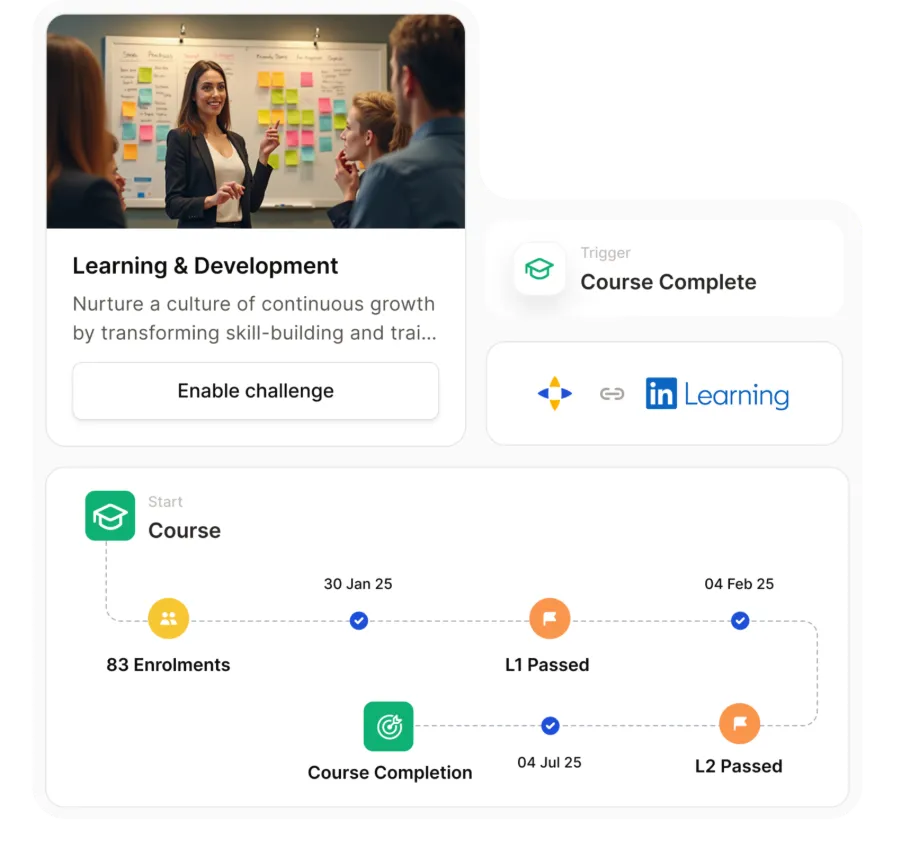
- Recognize learning milestones such as course completions or new skills
- Link learning to growth opportunities, promotions, or performance goals
- Use AI to identify skill gaps and recommend learning paths
- Encourage knowledge-sharing through internal communities
Empuls supports this through learning-based rewards and integrations with learning management systems. You can automate rewards for upskilling achievements, run challenges, and highlight progress on leaderboards.
6. Offer flexible benefits that fit employee needs
Standard benefits packages are no longer enough. People sustainability calls for benefits that reflect diverse lifestyles, life stages, and financial realities. Employees want the flexibility to choose what matters most to them, whether it’s wellness, learning, family care, or mental health.
Flexible benefits help:
- Improve adoption and satisfaction
- Support financial wellness through tax savings
- Increase perceived value without increasing costs
Key steps to implement this:
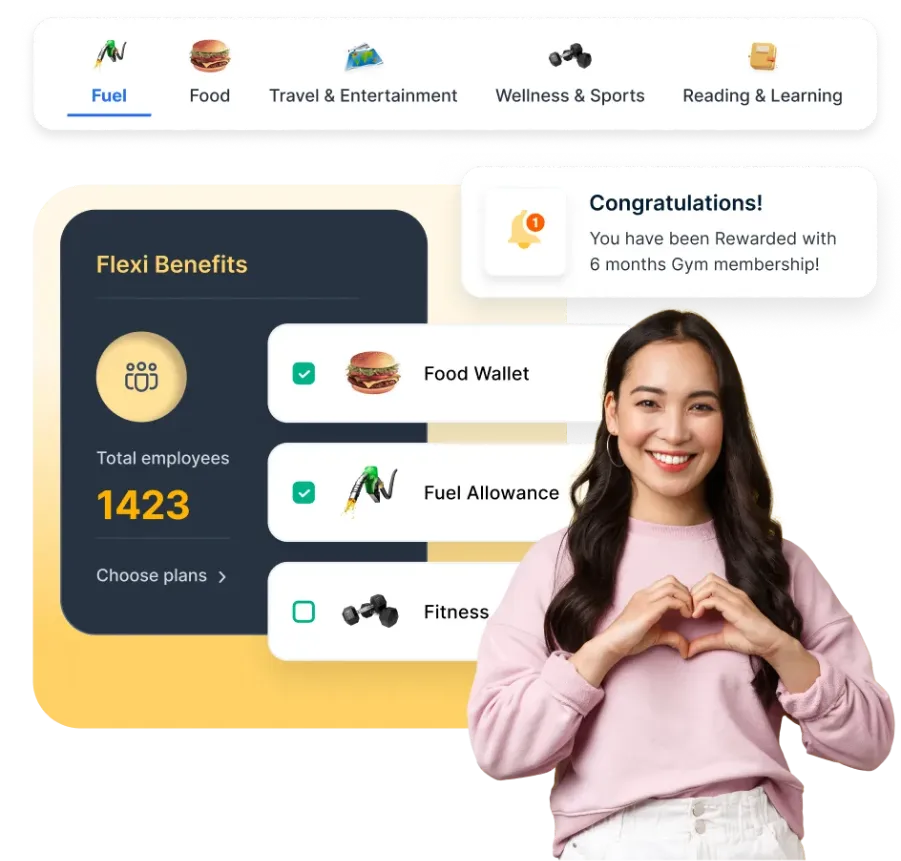
- Provide a digital platform where employees can pick and manage their benefits
- Use lifestyle spending accounts (LSAs) to offer flexible allowances
- Offer prepaid cards for tax-free categories like meals, fuel, telecom, and books
- Support fringe benefits like fitness, therapy, learning, and travel
- Track adoption and utilization with benefit usage reports
With Empuls, organizations can manage all tax-free and fringe benefits in one place. Employees access their allowances digitally and use them across verified vendors, both online and offline. Employers get real-time reporting, compliance controls, and full automation.
7. Include employee voice in business decisions
Listening to employees is a key part of people sustainability. It shows that their input matters and drives more alignment, trust, and accountability. When companies act on employee feedback, they build a culture of transparency that supports long-term engagement.
A listening strategy helps you:
- Catch early signs of disengagement or burnout
- Uncover ideas and improvements from those closest to the work
- Strengthen alignment between leadership and teams
- Build trust by closing the loop on feedback
Steps to implement this:
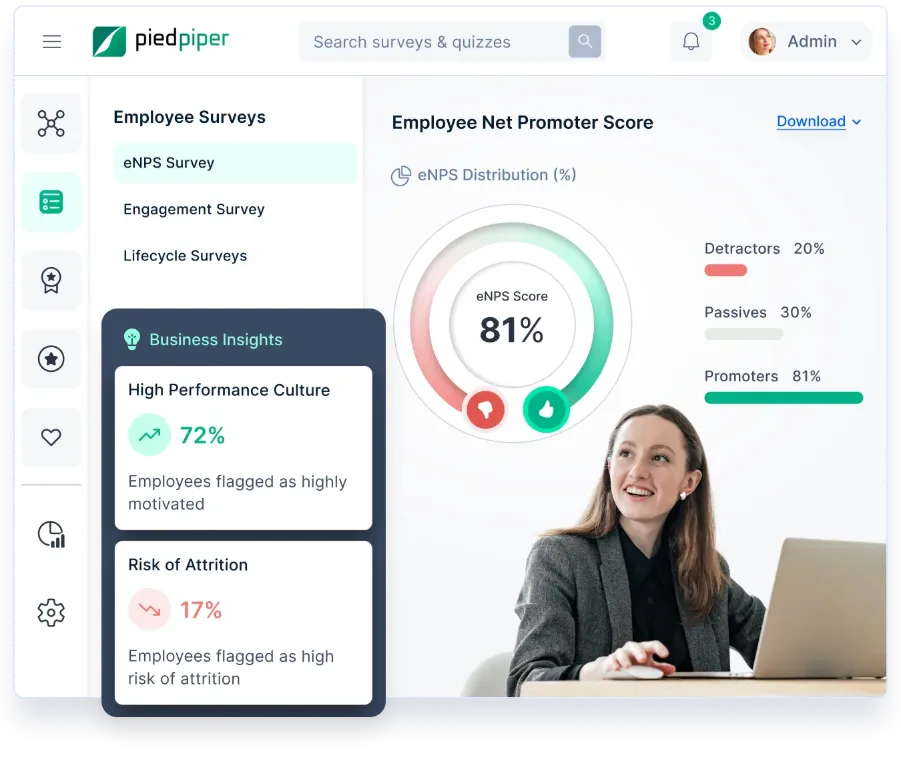
- Run regular pulse, eNPS, and lifecycle surveys
- Collect feedback during onboarding, exits, and key moments
- Use AI to summarize open-ended feedback and surface key themes
- Share results with teams and assign clear owners for follow-up
- Track completion rates and action plan progress
Empuls helps companies build a continuous listening strategy with customizable surveys, automated scheduling, and AI-powered insights. Admins can access detailed engagement reports, track follow-ups, and close the loop effectively.
8. Strengthen connection in distributed teams
As remote and hybrid work becomes the norm, organizations must create ways for people to stay connected, informed, and involved—regardless of location. When employees feel disconnected from their peers or company culture, engagement and performance drop.
Connection supports people sustainability by:
- Reducing isolation and improving team morale
- Building a sense of belonging and shared purpose
- Creating visibility for efforts and wins across teams
Ways to strengthen connection:
- Share regular updates through an internal communication hub
- Create virtual spaces for celebrations, peer recognition, and casual interactions
- Run town halls, polls, and AMAs to drive open communication
- Celebrate life events and milestones with digital wishboards
- Use organizational charts and directories to help people find and connect with peers
Empuls offers a social intranet that brings these features together—newsfeeds, community groups, digital celebrations, and open forums for recognition and conversation. This helps distributed teams feel seen, supported, and part of something bigger.
9. Make sustainability efforts visible and ongoing
Employees are more likely to support initiatives they can see and understand. When companies make their sustainability efforts visible—both environmental and people-focused—it reinforces alignment, transparency, and trust.
Visibility drives accountability and motivation. It also helps employees connect their actions to a larger purpose, which strengthens long-term engagement.
How to make your efforts visible:
- Share updates on sustainability goals and progress regularly
- Spotlight employee contributions across teams and offices
- Celebrate wins on company-wide feeds, digital signage, or in town halls
- Use leaderboards, badges, and recognition messages to reinforce key behaviors
- Pin important posts and milestones to increase reach and participation
Empuls helps organizations broadcast achievements through a digital Wall of Fame, interactive wishboards, and TV displays. Admins can highlight employee recognition, birthdays, anniversaries, and sustainability wins—creating moments of pride across the workplace.
10. Reduce digital overload and support mindful tech use
Digital overload is a growing issue for employees. Constant notifications, back-to-back meetings, and unmanaged digital tools can lead to stress, distraction, and burnout. People sustainability includes protecting employees’ time, focus, and mental energy.
Reducing digital noise supports:
- Better focus and productivity
- Lower stress levels and screen fatigue
- Healthier work habits and well-being
Ways to reduce digital pollution:
- Encourage screen breaks and time-off routines
- Audit and limit unnecessary digital communication
- Promote async work when possible
- Offer wellness tools like guided meditation and device-free challenges
- Track and reduce carbon impact from cloud and tech use
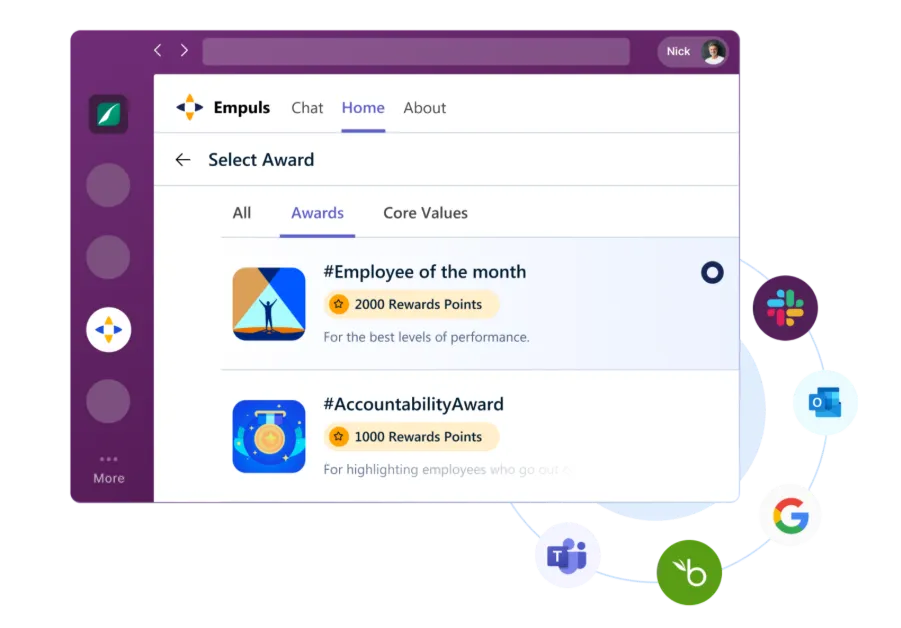
Empuls helps reduce overload by integrating engagement into the flow of work—through platforms like Microsoft Teams and Slack. With nudges, automated recognitions, and centralized communication, employees stay engaged without juggling multiple apps.
Building a workplace where people thrive
People sustainability is not a one-time initiative. It requires consistent effort across the employee experience—from how people are recognized to how they grow, stay healthy, and feel heard. The ten strategies outlined in this blog provide a practical framework to create a work culture that puts people first and prepares your organization for long-term success.
Companies that invest in people sustainability see stronger engagement, better retention, and higher productivity. The return is not just cultural—it’s measurable in business outcomes. With the right tools, support, and intent, you can create a workplace where employees want to stay and contribute their best.
Empuls helps you put these strategies into action with an integrated platform for recognition, communication, wellness, benefits, and continuous feedback.
Learn more about how Empuls supports people sustainability.
FAQs
1. How can leaders encourage inclusive behaviors across teams?
Set clear expectations, provide regular DEI training, and reinforce inclusive actions through recognition. Encourage open dialogue in team meetings and create accountability through measurable goals.
2. How do flexible benefits contribute to long-term employee satisfaction?
Flexible benefits give employees the ability to choose support that aligns with their current life stage. This autonomy builds trust and ensures the benefits offered are actually used and appreciated.
3. How should companies approach recognizing personal milestones in a meaningful way?
Move beyond generic messages. Personalize celebrations with input from peers, include context about the individual’s contributions, and use multiple channels (e.g. newsletters, team meetings, digital walls) to make it memorable.
4. How often should organizations run engagement or pulse surveys?
Pulse surveys can be run monthly or quarterly, depending on the organization’s size and pace of change. What matters most is acting on the results—closing the loop builds trust and encourages future participation.
5. How can companies reduce digital fatigue while still keeping employees informed?
Use focused channels for essential communication, consolidate tools where possible, and encourage no-meeting time blocks. Promote asynchronous updates and model healthy digital behavior at the leadership level.