
On this page
Does your workplace feel productive but perpetually exhausted? You’re not alone.
In a world of back-to-back meetings, digital distractions, and rising burnout, employees are constantly operating in reactive mode—leading to stress, disengagement, and turnover.
But there’s a simple, research-backed solution making waves in high-performance organizations: mindfulness at work.
When practiced consistently, mindfulness transforms how employees think, communicate, and lead—fueling clarity, focus, and emotional resilience. And the best part? It’s not just good for people—it’s great for business.
The ROI of mindfulness at work:
- Up to 12% increase in productivity, according to the UK’s Social Market Foundation
- 32% reduction in perceived stress after mindfulness training (NIH study)
- Improved decision-making and leadership under pressure (Harvard Business Review)
- Lower burnout-related healthcare claims and absenteeism
- Stronger retention and engagement, especially in high-stress roles
In this blog, we’ll break down:
- What mindfulness at work really means
- Why it matters (for employees and business outcomes)
- How it reduces burnout and turnover
- Practical ways to build a mindful workplace
- Examples, FAQs, and next steps to start your journey
Let’s explore how this simple practice can powerfully reshape your workplace.
What is mindfulness at work?
Mindfulness at work refers to the practice of being fully present, aware, and engaged in the task at hand—without judgment or distraction. It’s about cultivating conscious awareness of your thoughts, emotions, surroundings, and responses, especially during high-pressure situations or routine work.
Unlike meditation, which often requires quiet time and space, mindfulness can be seamlessly integrated into everyday work activities—like active listening in meetings, focusing on a single task without multitasking, or taking intentional pauses between tasks.
Mindfulness in the workplace is not just a personal wellness tactic—it’s an organizational capability. Companies that embed mindfulness into their culture empower employees to:
- Respond to stress instead of reacting impulsively
- Communicate more empathetically and clearly
- Reduce cognitive overload and decision fatigue
In short, it’s a mental muscle that enhances how people think, feel, and perform on the job.
Why is it important?
The importance of mindfulness at work goes far beyond stress relief—it directly impacts an organization’s bottom line. When practiced consistently, mindfulness drives measurable improvements in productivity, employee well-being, and business outcomes.
1. Boosts productivity and cognitive performance
Research from the National Institutes of Health shows that employees who participate in mindfulness training experience improvements in focus, cognitive flexibility, and working memory, leading to higher productivity levels across roles and functions.
Additionally, a UK study by the Social Market Foundation found that happy workers are up to 12% more productive, and mindfulness is one of the key drivers of happiness and emotional regulation at work.
2. Enhances decision-making and leadership effectiveness
In a Harvard Business Review study, mindful leaders were shown to make more balanced, ethical, and long-term-focused decisions, especially in ambiguous or high-pressure situations.
By cultivating calm, focus, and awareness, mindfulness at work supports:
- Better team communication
- Reduced conflict and reactivity
- Stronger alignment on goals and values
When leaders model mindfulness, it trickles down into team behavior, leading to higher engagement, improved trust, and a healthier organizational culture.
With strong evidence showing the importance of mindfulness at work, many organizations are now leveraging it as a core strategy to reduce burnout, cut healthcare costs, and improve employee retention. Let’s explore how mindfulness delivers these outcomes—backed by hard data.
How mindfulness at work can reduce burnout and employee turnover rate
Mindfulness is proving to be a scientifically backed, cost-effective solution to this growing challenge.
1. Reduces healthcare costs through stress reduction
According to a study conducted by the National Institutes of Health, organizations that implemented workplace mindfulness training saw a 32% reduction in perceived stress among employees, leading to a noticeable decline in healthcare utilization and stress-related claims.
Burnout-related costs are not just personal—they’re organizational. The World Health Organization classified burnout as an occupational phenomenon that directly contributes to increased medical costs, absenteeism, and reduced productivity.
2. Decreases employee turnover
High turnover often stems from emotional exhaustion and disengagement. A report by PositivePsychology.com highlights that employees who practiced regular mindfulness reported:
- Greater emotional resilience
- Improved job satisfaction
- Higher loyalty to their employer
This results in lower voluntary attrition and better retention across departments, especially in high-pressure roles.
3. Increases productivity and organizational efficiency
The Social Market Foundation study on workplace happiness found that investing in mental well-being, including mindfulness, leads to up to a 12% increase in productivity.
These gains stem from:
- Better focus and time management
- Lower distraction and error rates
- Improved collaboration and interpersonal communication
Together, these benefits create a high-performing, emotionally intelligent workforce—and reduce the hidden costs of burnout and disengagement.
With burnout, healthcare costs, and disengagement on the rise, it’s clear that developing a mindful culture is not just a wellness trend—it’s a workplace imperative. The good news? Mindfulness can be practiced by anyone, anywhere, without disrupting your workflow.
5 ways to be more mindful at work
Here are five simple, evidence-backed ways to bring more mindfulness into the workday—for yourself or your team.
1. Begin your day with intention
Before jumping into emails or meetings, take two to five minutes to pause, breathe, and set a clear intention for how you want to show up at work. This brief moment of presence can improve decision-making, emotional regulation, and clarity throughout the day.
2. Single-task instead of multitasking
Multitasking often leads to mental fatigue and mistakes. Instead, focus fully on one task at a time—whether it’s responding to an email, joining a meeting, or completing a report. Give it your full attention, then move on. This trains your mind at work to stay present, sharp, and efficient.
3. Take purposeful pauses
Throughout the day, take short breaks to reset your nervous system. This could be a mindful walk, a few deep breaths between meetings, or simply noticing your posture and breath. These micro-pauses reduce stress buildup and increase energy.
4. Practice mindful listening
During conversations, give the speaker your full attention—without planning your response or checking your phone. This builds trust, improves collaboration, and enhances emotional intelligence across teams.
5. Use transitions to re-center
Shift from one task, call, or meeting to the next with intentionality. Instead of rushing, take a few seconds to acknowledge what you’ve just completed and mentally prepare for what’s next. These mindful transitions create space for clarity and focus.
Check out 45+ employee wellness ideas to inspire action across all levels of your organization.
Each of these practices may seem small, but when embedded consistently into daily routines, they deliver big results. In fact, they form the foundation for a culture where mindfulness at work is a shared habit—not just an individual one.
How Empuls supports mindfulness at work
While mindfulness begins at the individual level, sustaining it across an organization requires structure, reinforcement, and recognition. That’s where Empuls comes in.
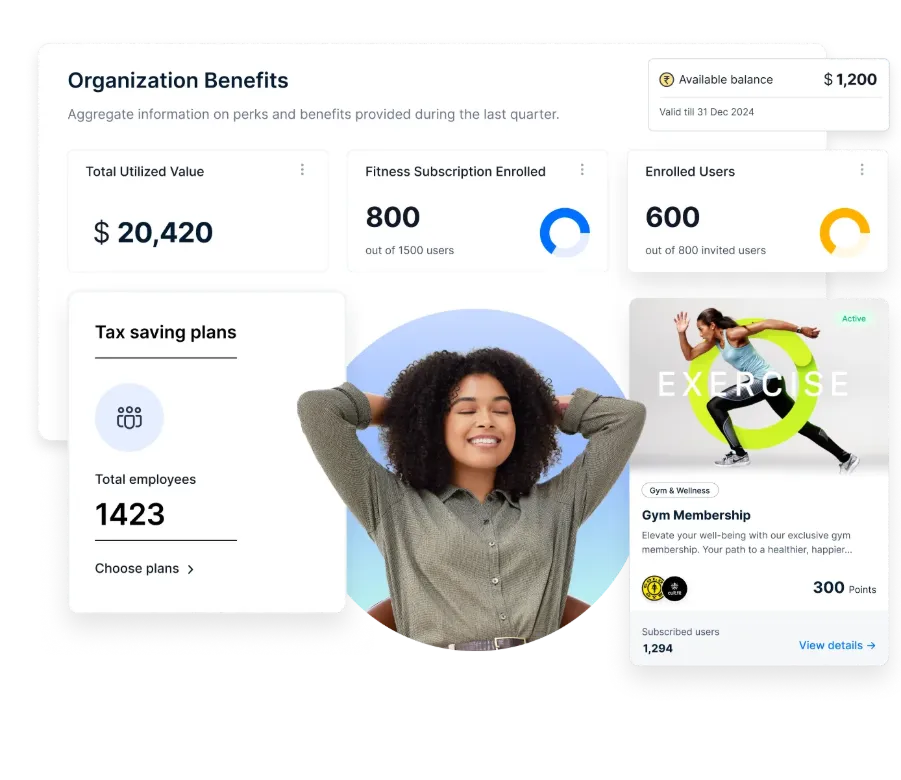
Empuls helps embed mindfulness into your workplace culture through:
- Automated wellness nudges: Gentle reminders to take breaks, reflect on wins, or practice gratitude.
- Wellness benefits: Access to mindfulness apps, yoga classes, and therapy sessions through ours flexible benefits and rewards catalog.
- Surveys & mood tracking: Pulse surveys and mood meters to identify burnout early and respond with the right interventions.
- Recognition programs: Peer-to-peer and leader-led appreciation for behaviors like empathetic communication, mindful leadership, and emotional intelligence.
With Empuls, mindfulness becomes more than a personal practice—it becomes part of how your organization works, grows, and thrives.
Get in touch with our culture experts to learn how Empuls can help drive sustainable well-being across your teams.
Conclusion
Mindfulness at work is no longer a luxury—it’s a necessity. Backed by data and proven in practice, mindfulness helps reduce burnout, lower healthcare costs, and drive real productivity gains. By taking simple steps and leveraging platforms like Empuls, organizations can create a workplace where people feel focused, supported, and truly present.
FAQs
How to practice mindfulness at work?
You can practice mindfulness at work through simple activities like intentional breathing, mindful listening, single-tasking, taking breaks between meetings, and setting daily intentions. The goal is to stay present, non-judgmental, and fully engaged with what you’re doing.
How to be mindful at work?
Being mindful at work means staying aware of your thoughts, emotions, and actions in the moment. It involves giving full attention to tasks, pausing before reacting, managing stress consciously, and creating mental space between work transitions.
What are the 4 P’s of mindfulness?
The 4 P’s often associated with mindfulness are:
- Pause: Create space before reacting
- Presence: Stay focused on the moment
- Perspective: Observe thoughts and feelings without judgment
- Patience: Accept that clarity and calm take time
What are the 3 A’s of mindfulness?
The 3 A’s refer to:
- Awareness: Observing thoughts, emotions, and surroundings
- Acceptance: Letting experiences unfold without resistance
- Action: Responding with intention rather than reacting impulsively
Share some mindfulness at work examples.
- Taking three deep breaths before starting your workday
- Listening attentively in meetings without checking your phone
- Reflecting for 2 minutes before switching tasks
- Doing a gratitude check-in at the end of the day
- Pausing between emails to refocus your mind
These are practical mindfulness at work examples that improve concentration, emotional regulation, and well-being.