On this page
Workplace culture used to be described in broad strokes—mission statements, open-office layouts, company swag, and a one-size-fits-all values deck. But as organizations grow and diversify, so do the people within them.
A single, top-down culture no longer represents the reality of how employees work, communicate, and connect across departments, geographies, and roles.
Culture is no longer what leadership says it is. Culture is what employees experience. It’s what happens between peers in Slack messages, how recognition is given (or not), and how included someone feels in team rituals.
In this context, micro-cultures have emerged as the actual currency of employee experience.
What are micro-cultures?
Micro-cultures are the localized norms, values, and behaviors that develop within teams, functions, offices, or even demographic groups within a company. They can arise from a department’s leadership style, the nature of the work, generational preferences, or regional influences.
For example, the design team in a startup might value creative expression and feedback loops, while the sales team thrives on daily recognition, gamification, and performance dashboards. Both can co-exist under the same brand, but trying to enforce one cultural model across both may dilute engagement for everyone.
Micro-cultures aren't fringe movements. They’re the heartbeat of modern organizations.
Why one culture doesn't fit all
Leaders often attempt to enforce a universal culture under the belief that consistency will drive alignment. What this approach misses is that uniformity can create friction where diversity in work styles is a strength.
Employees interact with company culture through their teams, not townhalls or brand values posters. If that experience lacks relevance, it results in disengagement.
In a recent report, 62% of employees said they felt more connected and informed when communication was personalized and contextualized through community groups and peer forums. Culture cannot be experienced from a distance. It must feel relatable and alive at the team level.
Micro-cultures help employees belong
Micro-cultures are powerful because they help people find their place. In large or distributed organizations, employees can easily feel invisible. But a tight-knit team that celebrates wins, exchanges memes, and checks in daily can create psychological safety that fuels motivation.
When individuals identify with their team’s way of working, they feel seen. That sense of belonging improves not only morale but also performance. In fact, companies that foster cultural flexibility and localized traditions see a 90% increase in employees who feel valued and recognized.
The role of leadership: enablers, not enforcers
Instead of standardizing culture, progressive leaders focus on setting values and empowering teams to adapt those values in ways that make sense locally. This includes providing the tools, systems, and support for teams to build rituals and rewards that reflect their identity.
This approach doesn’t dilute culture—it strengthens it. A healthy macro-culture defines the common vision, but micro-cultures are how that vision is realized day to day.
Culture through the employee lifecycle
Micro-cultures matter from day one. Onboarding is where employees first encounter the company’s expectations and social norms. But unless this experience is localized, it risks becoming a generic walkthrough.
For instance, onboarding through Empuls allows teams to automate not just tasks but also milestones like personalized welcome messages, curated community invites, and first-week recognition. This brings new hires into the micro-culture faster, reinforcing inclusion and clarity.
Similarly, long-tenured employees interact with culture through anniversary celebrations, performance reviews, or team offsites. Making these moments feel unique to their team enhances emotional investment.
How technology can amplify micro-cultures
Culture used to be difficult to measure or scale. But with modern platforms like Empuls, it’s possible to amplify localized traditions without compromising on structure or governance.
Here’s how:
1. Community groups by interest or function
Empuls enables the creation of community groups based on location, department, project, or even shared hobbies. These forums give people space to engage in their own way, while staying connected to the larger organization.

For example, developers can exchange knowledge in coding groups, while sales teams rally around performance challenges. Local customs and rituals can grow from these spaces, forming authentic subcultures.
2. Recognition that reflects team values
With Empuls, peer-to-peer recognition and spot awards can be tied to both company-wide and team-specific values. A design team can recognize innovation, while customer service focuses on empathy. Recognition becomes meaningful when it mirrors what a team values most.
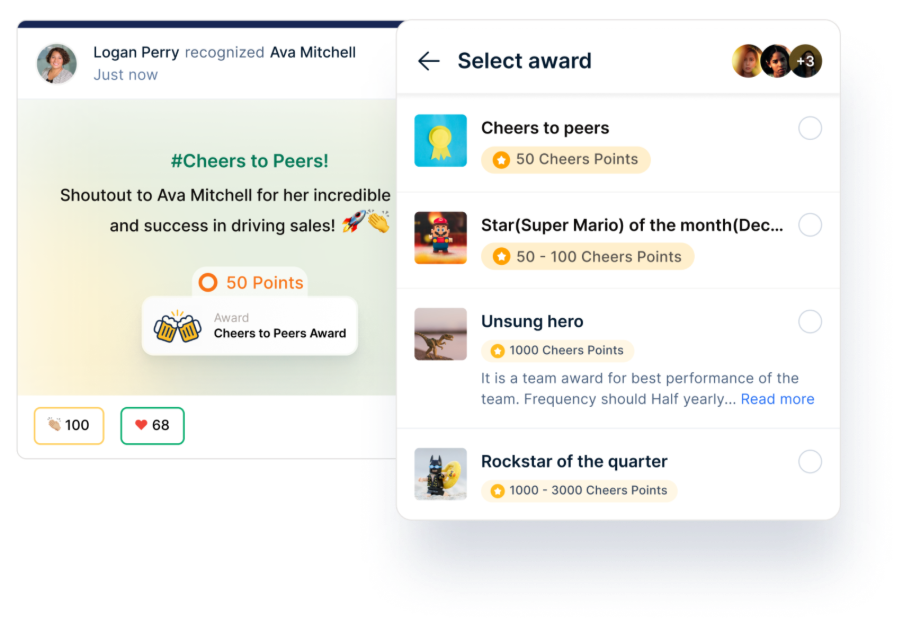
AI also nudges managers to ensure recognition is equitable across team members, closing visibility gaps that often go unnoticed.
3. Custom swag and celebrations
Generic hoodies won’t excite everyone. But when teams can choose swag that reflects their vibe—be it retro mugs, branded puzzles, or sustainable merchandise—it builds a deeper emotional connection.
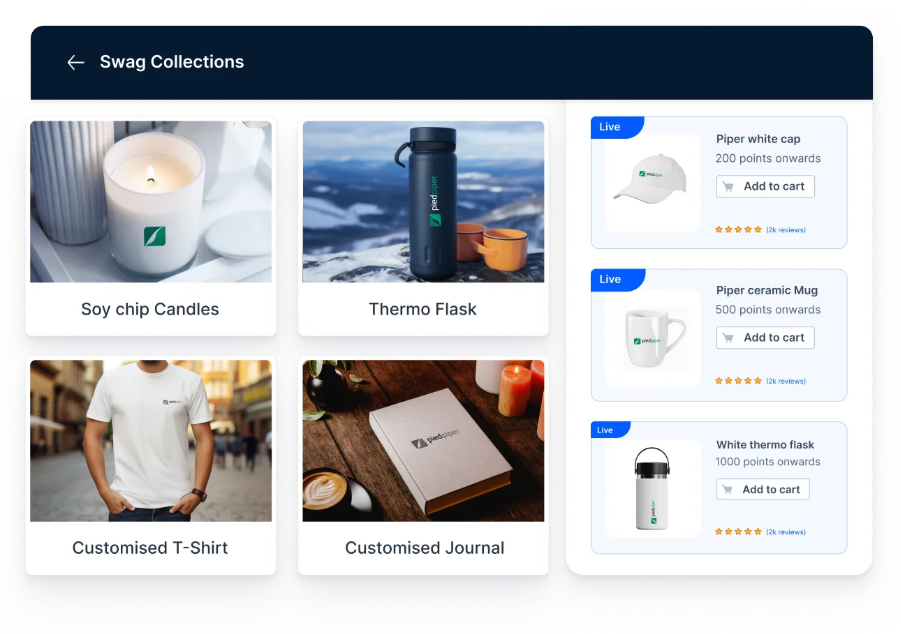
Empuls Swag allows for team-specific curation and delivery for events like onboarding, project completions, or work anniversaries.
4. Localized surveys and action plans
Feedback must be specific to be useful. Empuls supports lifecycle and pulse surveys at the team level, allowing leaders to understand what’s working or missing in their own micro-culture. These insights then inform targeted action plans, tracked with built-in reporting tools.
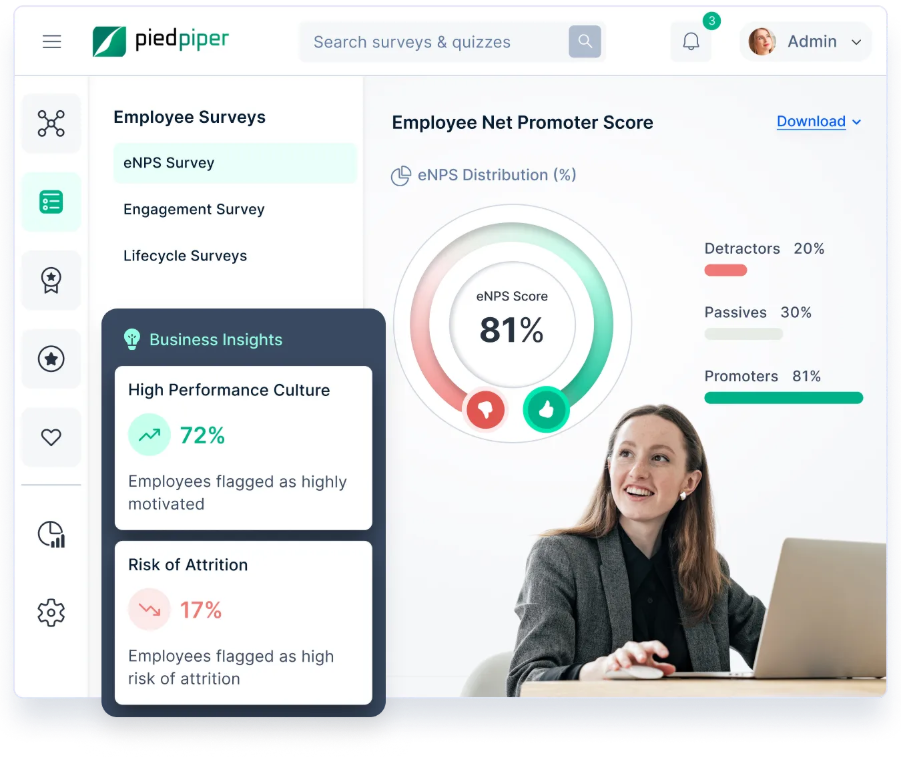
5. Customized content on social intranet
Instead of a one-size-fits-all news feed, Empuls allows tailored posts, wishboards, and celebrations that reflect micro-culture moments—from birthdays to product launches.
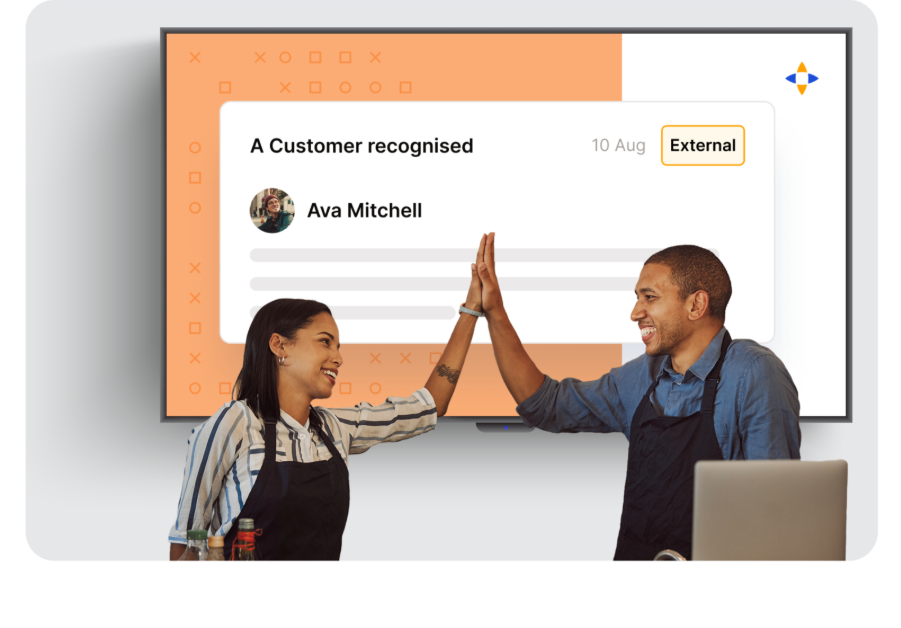
Team-level achievements can be spotlighted with gifs, emojis, and videos, creating a digital space that feels personal.
Benefits of embracing micro-cultures
Supporting micro-cultures isn’t just a nice-to-have. It leads to measurable improvements in how people work, connect, and stay. When teams have the freedom to shape how they engage, align, and recognize each other, culture stops being performative and becomes real.
Here are some direct benefits:
- Lower attrition rates: Employees are more likely to stay when they feel their team understands how they work best. Organizations that support local rituals and recognition routines have seen up to 87% lower attrition.
- Stronger emotional connection: When people relate to their immediate team culture, they don’t need to constantly fit into a generic model. This builds loyalty and pride that lasts longer than perks or slogans.
- Higher engagement in programs: Whether it’s a wellness challenge, learning initiative, or referral program—adoption improves when campaigns reflect local contexts. Participation grows when the delivery aligns with how the team already communicates or celebrates wins.
- Improved idea flow: When teams shape their own norms and trust their rhythm, people speak up more. They are not trying to translate their ideas into unfamiliar formats. This opens the door for innovation and problem-solving without the friction of cultural mismatch.
- Clearer identity at the team level: Micro-cultures help employees understand where they fit and what’s expected. While the company provides a shared purpose, the team creates the rhythm, language, and rituals that make work meaningful on a daily basis.
- More effective recognition: Appreciation resonates more when it's grounded in local team values. Recognition that reflects day-to-day collaboration or role-specific achievements carries more weight than generic praise.
Organizations that embrace micro-cultures shift from broadcasting culture to co-creating it. The result is a workplace where people feel seen, not sorted.
Common myths about micro-cultures
Despite their benefits, micro-cultures are often misunderstood. Some of the most common concerns are rooted in outdated ideas of control and consistency.
1. “They cause silos.”
This is a misconception. Silos emerge when teams are isolated and communication breaks down across departments. Micro-cultures can exist in a collaborative environment as long as there are shared channels and forums for cross-functional visibility.
A healthy digital workplace allows teams to express their individuality while still staying connected through company-wide announcements, events, and recognitions.
2. “They dilute the brand.”
Brand dilution happens when core values are unclear or inconsistently applied. Micro-cultures actually reinforce values when those values are translated into relevant, everyday practices.
A brand becomes more relatable when employees see how its values come to life across different teams.
3. “They make culture hard to manage.”
Centralized control may feel easier, but it often comes at the cost of relevance. Culture is more effective when it's shaped collectively. Technology now allows HR teams to set broad parameters while enabling departments and managers to adapt tools and rituals that reflect how their people prefer to work.
Managing culture no longer requires uniformity; it requires clarity and the right systems to support autonomy.
Recognition is also culture
Culture is shaped by what gets acknowledged and repeated. Recognition isn't just a reward—it’s a signal. It shows what the organization values and sets the tone for how people behave, lead, and collaborate.
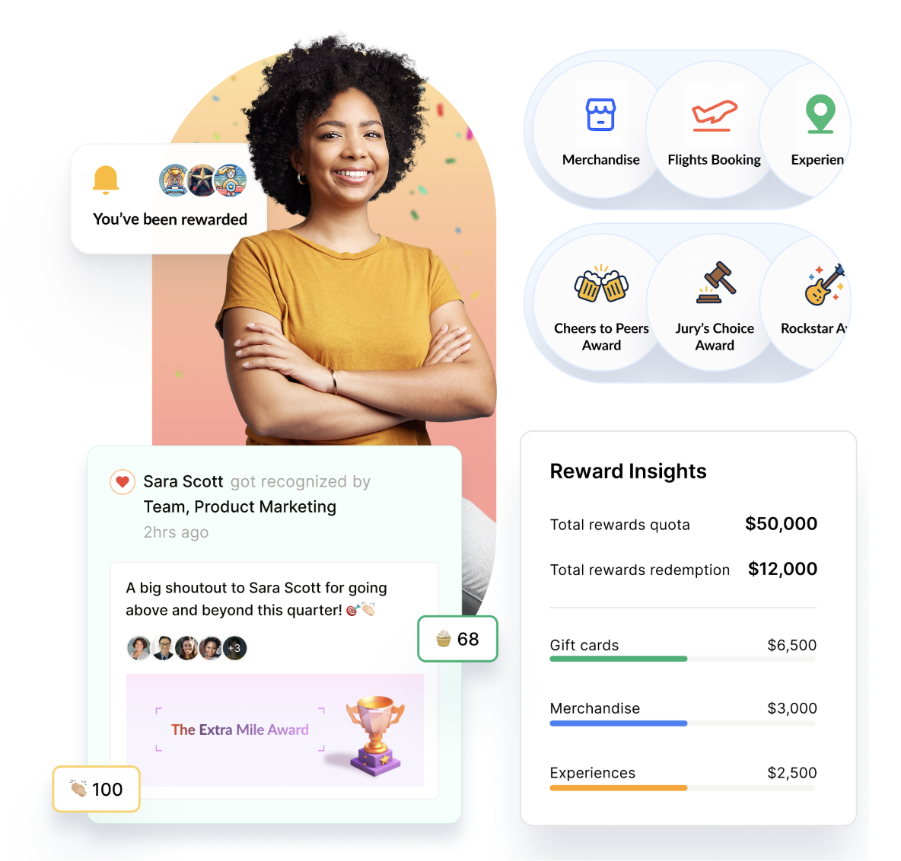
Micro-cultures influence how recognition works at the team level. Some teams might value spontaneous appreciation, while others prefer structured, milestone-based awards. Recognition systems need to support this diversity without losing consistency across the company.
Empuls enables this balance. From peer-to-peer shoutouts and spot bonuses to values-aligned badges and service awards, teams can tailor recognition styles while still aligning with the broader culture framework.
Here’s how recognition functions as a core part of culture:
- Defines what behaviors matter: When employees consistently receive appreciation for qualities like empathy, agility, or collaboration, those traits become part of the team's identity.
- Reinforces values through repetition: Recognition tied to values—like customer-first thinking or innovation—helps embed those principles into daily behavior.
- Bridges cross-team gaps: Recognizing someone outside your team helps break silos. It encourages collaboration and builds respect across functions.
- Signals inclusivity: When recognition is accessible to all—not just high performers or extroverts—it creates fairness and encourages everyone to contribute.
- Shapes team rituals: Teams often create their own rhythms for celebrating wins. Weekly roundups, monthly badges, or public appreciation walls all add to a shared culture.
- Improves manager-employee trust: When recognition is frequent, relevant, and not delayed, it strengthens the relationship between managers and their teams.
Recognition becomes a living, evolving expression of culture—especially when employees are empowered to own it. With the right tools, every team can build its own recognition rhythm while still contributing to a unified, people-first culture.
Building your culture model: Macro meets micro
Culture needs to work like a pyramid:
- At the top: Organizational values, mission, and vision.
- In the middle: Function-specific rituals, norms, and recognitions.
- At the base: Individual and team preferences, rewards, and communication styles.
Empuls allows companies to configure this pyramid dynamically. Teams can customize their engagement experience—from homepage widgets and points naming to group policies and catalog access—while still staying aligned with broader objectives.
The role of AI in supporting micro-cultures
Empuls’ AI capabilities, such as skill mapping, predictive attrition, and personalized award generation, enable managers to take faster, smarter actions based on team-level data. AI surfaces recognition gaps, nudges for overdue celebrations, and helps managers understand what skills are being demonstrated most often within a team.
For example, if a team consistently recognizes adaptability or collaboration, those patterns can guide coaching, promotions, and hiring.
Final thoughts
Culture is not what’s written on the walls or printed in HR manuals. It is what people live every day, in the smallest interactions and localized behaviors. As the workforce grows more hybrid, global, and multigenerational, culture must adapt.
Micro-cultures are not a challenge to be fixed—they are an asset to be embraced.
Empuls helps companies design cultures where every team feels empowered, every individual feels seen, and every recognition feels real. Because when culture is personal, engagement becomes powerful. Want to know more? Connect with our culture experts now.