On this page
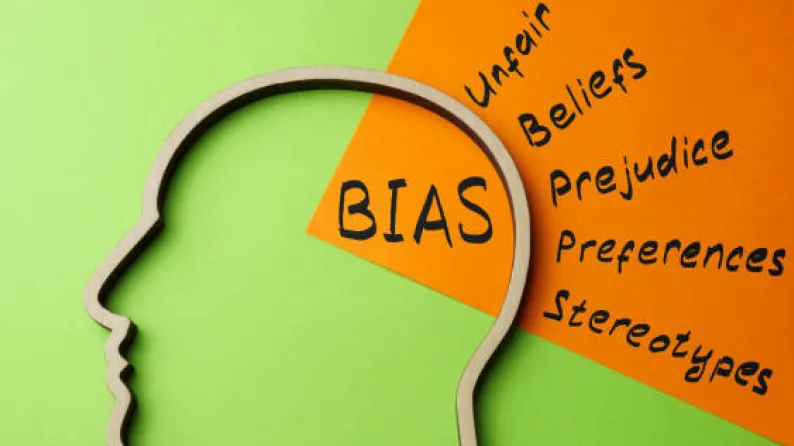
Institutional bias is a hidden force that can quietly undermine even the most well-intentioned workplaces. Unlike personal bias, which stems from individual beliefs or actions, institutional bias is systemic. It is embedded in the structures, processes, and norms that guide decisions around hiring, recognition, promotions, benefits, and communication.
Left unaddressed, it can lead to widespread disengagement, recognition gaps, and a lack of psychological safety—especially for marginalized groups. And in a world where remote and hybrid work is the norm, these inequities often go unnoticed until they show up as low morale, high attrition, or stalled DEI efforts.
In this blog, we’ll explore:
- What institutional bias really means in a workplace context
- Common, real-world examples of institutional bias that HR leaders and managers often miss
- The hidden impact of bias on engagement, trust, and culture
- How to identify and reduce bias using AI-powered tools like Empuls
- Steps to create a more equitable, inclusive, and high-performing work environment
Empuls is built to support organizations that want to do more than just surface-level DEI. With AI-led insights, recognition gap analysis, sentiment tracking, and inclusive communication tools, Empuls helps you move from awareness to action—proactively closing the gaps that institutional bias creates.
What is institutional bias?
Institutional bias refers to systemic policies or practices within an organization that unintentionally disadvantage certain groups. It isn't driven by individual prejudice but is embedded in how decisions are made—hiring, recognition, promotions, or communication.
Often unnoticed, this type of bias can lead to unequal access to opportunities, skewed visibility, and persistent engagement gaps. Recognizing and addressing it is key to building a fair, inclusive, and high-performing workplace.
Common examples of institutional bias in the workplace
Institutional bias doesn’t always look obvious. It often surfaces through patterns and outcomes that seem normal—until you dig deeper. Here are some examples of how it plays out across different areas of the employee experience:
1. Uneven recognition across teams or demographics
When recognition is left to chance or handled inconsistently, some employees naturally receive more appreciation than others. This can be influenced by proximity to leadership, communication styles, or unconscious bias around gender, race, or role type.
Over time, this creates a culture where contributions from certain groups are consistently celebrated while others go unnoticed, despite equal or even greater effort.
2. Promotion and performance evaluation gaps
Institutional bias can creep into how performance is measured and who is considered for promotions. For example, high-visibility projects may be assigned disproportionately to specific groups, or feedback loops may favor those who speak up more often in meetings—leaving behind quieter contributors, remote employees, or those from different cultural backgrounds.
Without transparent criteria and structured evaluation processes, bias continues to shape career trajectories.
3. One-size-fits-all employee feedback mechanisms
Surveys are one of the most powerful tools for listening to employees—but only when they’re designed with inclusion in mind. Using generic questions, language that lacks cultural sensitivity, or failing to segment responses by demographics can result in blind spots.
This limits your ability to understand the real issues affecting different groups within the workforce.
4. Communication that excludes deskless or distributed workers
A company might invest heavily in culture initiatives, yet frontline teams or gig workers feel left out because they don’t receive updates or have access to internal platforms. Communication biases often occur when information is only shared via corporate email, English-only content, or desktop-based tools.
The result: large segments of the workforce feel disconnected and underrepresented.
5. Rigid benefits and recognition policies
When wellness programs or benefits packages are designed without accounting for life stages, family responsibilities, neurodiversity, or financial disparities, they can unintentionally exclude the very people they aim to support.
Similarly, recognition programs that only reward sales metrics or tenure may leave out collaborative work, creativity, or behind-the-scenes impact.
Why addressing institutional bias matters
Institutional bias isn’t just a diversity or HR problem. It’s a culture problem, a retention problem, and ultimately, a performance problem.
When left unchecked, bias erodes employee trust, reinforces inequality, and creates invisible ceilings for those affected. Over time, this leads to disengagement, lower morale, and higher attrition—especially among top talent from underrepresented groups.
Here’s why addressing institutional bias should be a strategic priority:
1. It strengthens trust and psychological safety
When employees see that recognition, promotions, and feedback are fair and transparent, they’re more likely to speak up, contribute ideas, and feel confident in their value to the organization. That’s the foundation of high-performing teams.
2. It improves engagement and retention
Employees who feel seen, heard, and included are more likely to stay. Companies that build inclusive systems experience higher engagement scores, better participation in programs, and stronger loyalty—especially in hybrid or distributed environments.
3. It drives better decision-making
Inclusive teams that surface diverse perspectives tend to outperform. By removing systemic blind spots, companies can unlock creativity, resilience, and innovation that’s otherwise left untapped.
4. It aligns with business goals and brand values
Whether you're pursuing ESG goals, DEI metrics, or employer branding, equity and inclusion are now core to how organizations are measured—by employees, customers, and investors alike. Embedding fairness in your systems reflects a commitment to long-term culture-building, not just compliance.
How to identify and reduce bias using data and AI
You can’t fix what you can’t see. That’s why the first step toward reducing institutional bias is visibility. With the right data and technology, organizations can move beyond assumptions and start uncovering patterns that point to systemic inequities.
Here’s how data and AI can support a more equitable workplace:
1. Track recognition and reward distribution
Regularly review who is being recognized, how often, and for what types of contributions. AI can help surface patterns—such as certain roles, genders, or locations consistently receiving fewer awards—so that leaders can course-correct early.
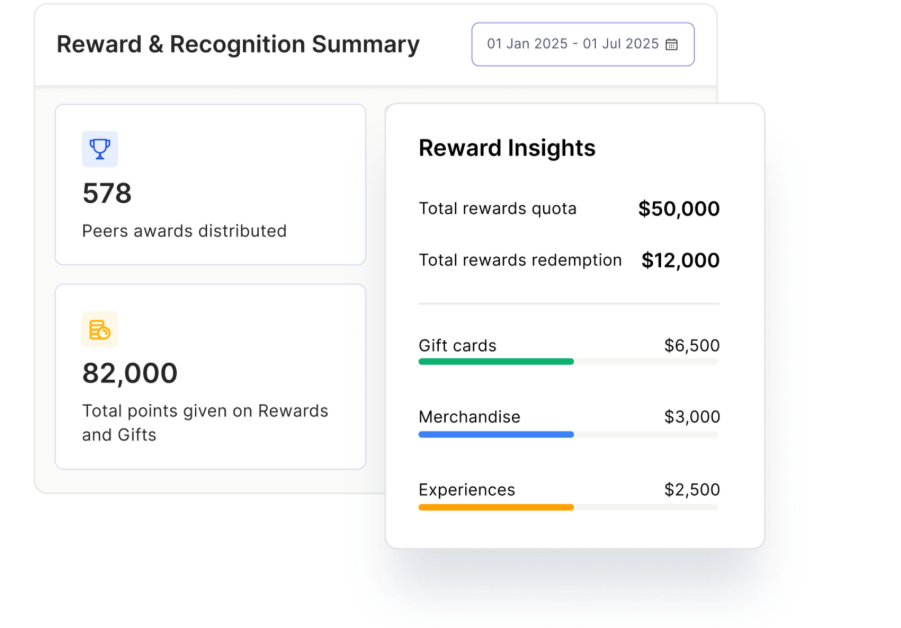
Automated nudges can also prompt managers to recognize those who may have been unintentionally overlooked.
2. Analyze feedback by demographic insights
Surveys are more powerful when responses are segmented by location, tenure, gender, role, and other relevant demographics. AI-driven sentiment analysis can help HR teams spot underlying concerns that vary across groups, identify at-risk cohorts, and take action before issues escalate.
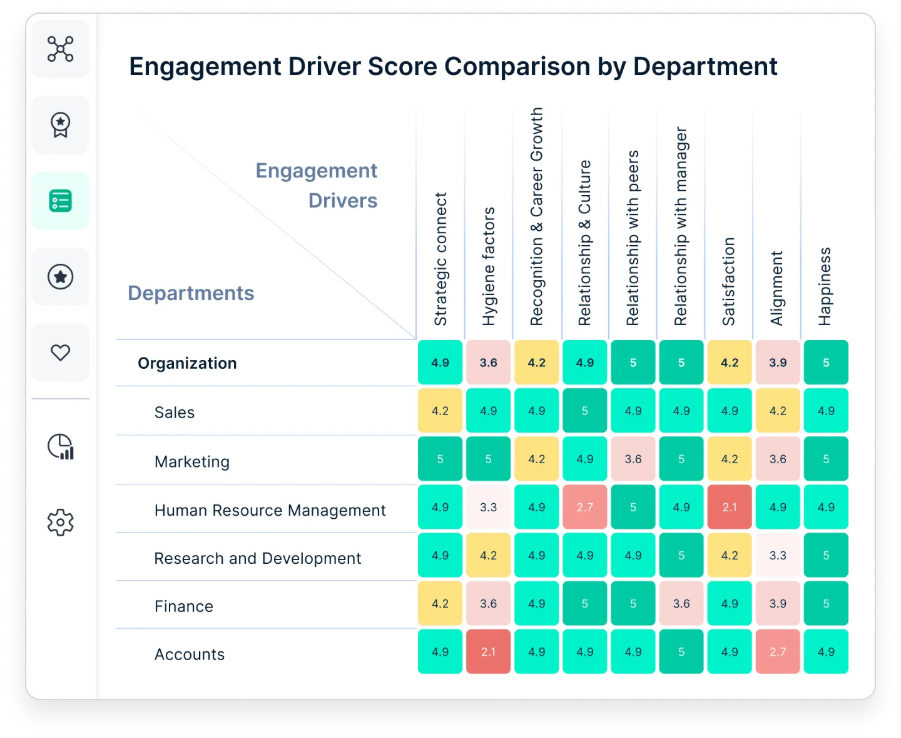
3. Surface skill-based contributions objectively
Recognition data can be a rich source of insight into how employees demonstrate soft skills like leadership, adaptability, or collaboration. AI-powered skill mapping allows companies to identify strengths across teams—beyond resumes or performance reviews—and create more equitable development opportunities.
4. Monitor communication tone and inclusivity
Bias can also show up in internal communications. AI-based content moderation tools can help flag non-inclusive language or patterns of exclusion across social feeds, announcements, or community groups—ensuring respectful, value-aligned conversations at scale.
5. Predict disengagement before it turns into attrition
AI can connect dots between low recognition, poor survey scores, and missed milestones to predict where attrition risks are highest. Instead of reacting to exits, organizations can proactively engage, listen, and retain the people who might otherwise slip away unnoticed.
Steps to build a more equitable and high-performing workplace
Awareness is only the beginning. Once you’ve identified signs of institutional bias through data and employee insights, the next step is intentional, system-wide change. Here are some practical ways to get started:
1. Audit your recognition and rewards programs
Review your current workflows:
- Who can nominate?
- Who approves?
- What gets rewarded most often?
Introduce diversity in award types and make it easier for employees across departments, roles, and locations to participate equitably.
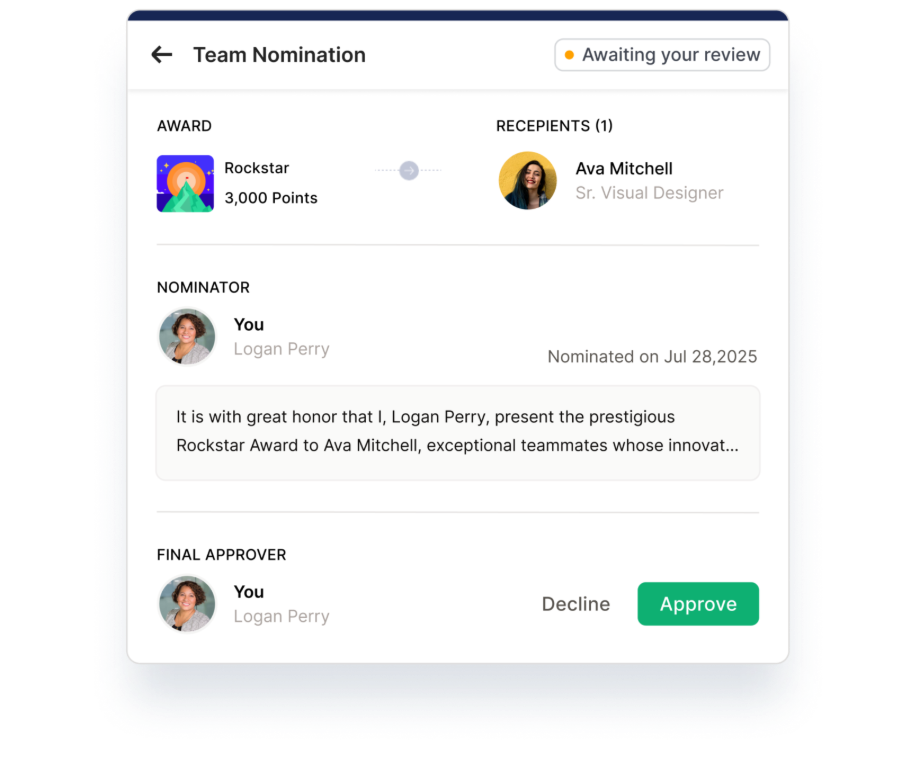
Use data to identify gaps and ensure recognition is tied not just to outcomes, but also to behaviors that align with your company’s values.
2. Localize your communication strategy
Make sure everyone has access to key updates, celebrations, and feedback channels—regardless of role or location. That includes frontline teams, shift workers, and employees in different regions or languages.
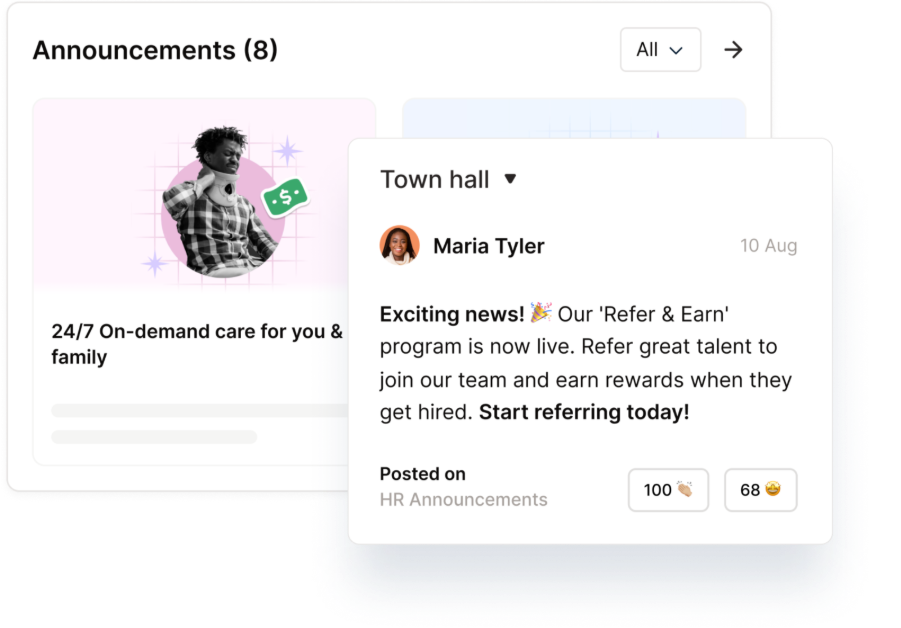
Consider tools that support omnichannel engagement (mobile, TV screens, kiosks, chat apps) so nobody is left out of the conversation.
3. Design benefits and perks with flexibility in mind
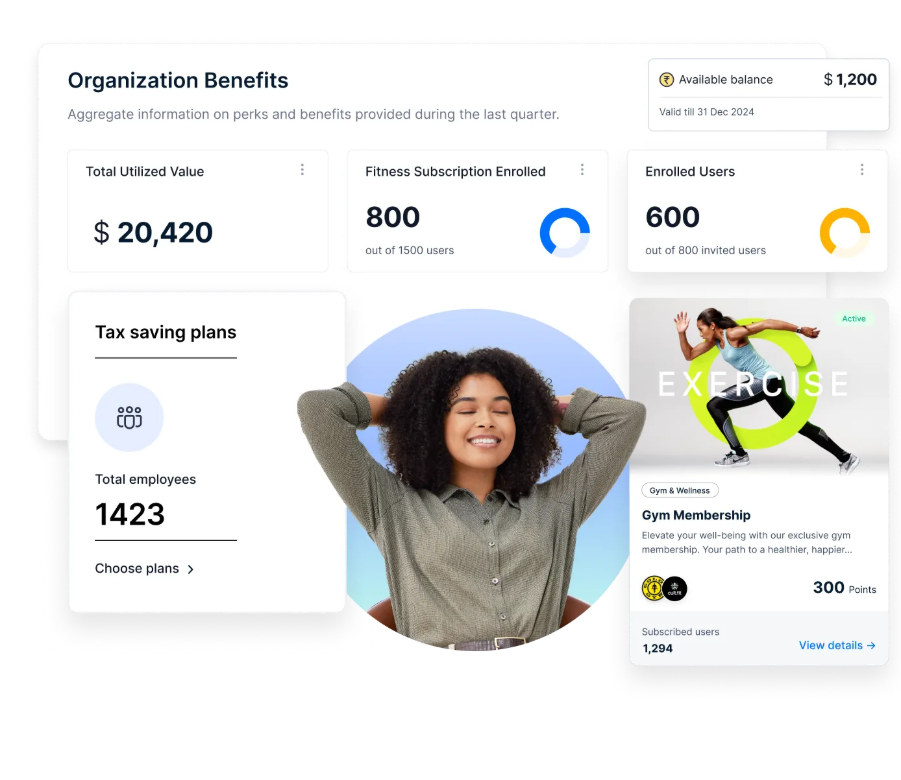
Move away from rigid, one-size-fits-all benefit programs. Offer flexibility through lifestyle spending accounts or modular benefits bundles that cater to different employee needs—whether it's child care, mental wellness, travel, or upskilling.
This not only promotes fairness but also boosts utilization and satisfaction.
4. Embed fairness into performance and promotion decisions
Use structured review processes, clear rubrics, and peer input to minimize subjectivity. Track who is advancing and why. If certain groups are consistently underrepresented in leadership or development opportunities, investigate the systems—not just the individuals.
5. Keep listening—and closing the loop
Gather feedback regularly through lifecycle surveys, pulse checks, or engagement tools. More importantly, act on what you learn. Share back the results, what’s changing, and what’s still in progress. This reinforces trust and shows that your commitment to equity is ongoing.
Conclusion: equity isn’t accidental—it's intentional
Institutional bias is rarely the result of bad intentions. More often, it’s the byproduct of systems that were never designed to be inclusive in the first place. But inaction has a cost—missed talent, disengaged employees, and a culture that doesn't reflect the values companies say they stand for.
Today’s employees expect more. They want to be seen, valued, and included—not just occasionally, but consistently.
By using data, AI, and human insight, organizations can begin to close recognition gaps, improve fairness in rewards and promotions, and build inclusive systems that scale with their culture. And when fairness becomes a feature of the employee experience—not an afterthought—the results follow: higher engagement, stronger retention, and a workplace where everyone can thrive.
Want to build a workplace where equity isn’t just a goal but a lived experience?
Start by understanding your gaps—and acting on them with empathy and intelligence.
Explore how intelligent recognition, inclusive feedback, and flexible benefits can power a more equitable culture. Book your demo today.