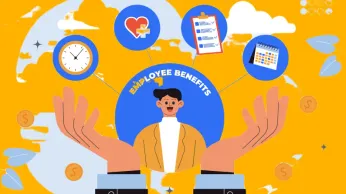
Employee Wellness Programmes That Drive Engagement and Compliance
India’s new labour laws make employee wellness a legal priority. Learn how organizations can design compliant, engagement-led employee wellness programs covering health, financial security, gig workers, and employee benefits in India.

On this page
Employee wellness in India is no longer just a cultural initiative or an HR best practice, it is now a legal imperative. With the implementation of India’s new labour laws, employee well-being has been formally embedded into the country’s employment framework, reshaping how organizations design employee wellness programs and deliver employee benefits in India.
From preventive healthcare to financial security and inclusive workforce protections, the new labour codes clearly outline what employers must provide to safeguard employee rights in India. At a high level, the labour law for employee wellness mandates:
- Preventive healthcare, including free annual health checkups for eligible workers
- Safe and healthy working conditions across industries and employment types
- Timely wages and minimum wage protections to reduce financial stress
- Expanded social security coverage, including for gig and platform workers
- Formal employment documentation to ensure transparency and accountability
Together, these provisions elevate wellness from an optional benefit to a core requirement under labour law for employees—setting a new baseline for how organizations must support their workforce.
This blog explores how organizations can respond to this shift by designing employee health and wellness programs that not only meet legal requirements but also drive engagement and long-term value. It examines:
- How India’s new labour laws redefine employee wellness
- What the laws mandate for employee well-being and benefits
- Why businesses must move from compliance-driven welfare to engagement-led wellness
- How future-ready wellness strategies, supported by platforms like Xoxoday and Empuls, can align with the labour codes while going beyond compliance
As regulations evolve, the real challenge is no longer whether to invest in wellness, but how to do it in a way that balances compliance, care, and growth.
Understanding employee wellness through the lens of India’s new labour laws
The four Labour Codes, implemented on November 21, 2025, consolidate 29 laws into a framework that mandates labour law for employee wellness, such as free annual health check-ups for workers over 40 to promote preventive care and detect non-communicable diseases early.
These provisions under the Occupational Safety, Health and Working Conditions Code expand ESIC coverage pan-India, including voluntary options for small establishments and mandatory for hazardous ones, directly supporting employee well being programs by guaranteeing accessible medical benefits.
Gig and platform workers, now formally recognized, gain social security through aggregators' 1-2% turnover contributions to welfare funds, enabling portable benefits like PF, insurance, and e-Shram-linked entitlements, which are the key elements of best employee wellness programs tailored to modern work.
Timely wage payments and a national floor wage further stabilize finances, reducing stress and aligning with labour law for employees that prioritizes holistic employee benefits.
At a foundational level, the new labour framework recognizes that employee well-being directly impacts productivity, safety, and economic stability. As a result, labour law for employees now embeds wellness into core employment conditions rather than treating it as an add-on benefit.
How India’s labour laws redefine employee wellness
The new labour codes take a broader, more inclusive view of wellness by addressing multiple dimensions of employee well-being:
- Physical health through workplace safety standards and preventive healthcare
- Mental well-being through safe working environments, regulated hours, and grievance mechanisms
- Financial security via expanded social security and wage protections
- Social well-being by formalizing employment relationships and benefits access
This integrated approach aligns with global labour standards. According to the International Labour Organization (ILO), access to safe working conditions and social protection is a key determinant of workforce well-being and sustainable employment.
Employers can leverage these labour laws for employee wellness mandates to design employee wellness programs labour law-compliant, turning regulatory requirements into engagement drivers like integrated health camps and reward platforms.
What the new labour laws mandate for employee wellness
India’s new labour codes clearly establish employee wellness as a statutory responsibility, not a discretionary initiative.
Together, the Code on Wages, the Code on Social Security, and the Occupational Safety, Health and Working Conditions Code (OSH Code) create a structured framework that directly impacts how employee wellness programs are designed and delivered.
Below are the primary statutory requirements related to employee health, safety, and well-being that employers must now implement:
1. Mandatory preventive healthcare for workers
One of the most highlighted provisions is the requirement for employers to provide free annual health checkups to workers above a specified age. This is part of a broader push toward preventive healthcare rather than focusing only on treatment after illness.
Employer obligations include:
- Annual free medical examinations for workers above 40 years of age.
- Regular health assessments to detect occupational health issues early and track health risks.
These requirements position employee health and wellness programs as a key compliance element rather than a voluntary initiative.
2. Expansive social security coverage
The Code on Social Security extends statutory social benefits to a wider range of workers, replacing the segmented welfare schemes of the past.
Covered benefits now include:
- Provident Fund (PF) and pension benefits
- Employees’ State Insurance (ESI) and medical coverage
- Insurance and compensation for workplace injuries
- Portable benefits across employers and states
This expansion ensures that wellness isn’t limited to physical health alone but incorporates financial security and social protection — essential components of comprehensive employee well-being programs under the new labour regime.
3. Regulated workplace safety and conditions
The occupational safety code mandates robust workplace safety protocols to reduce risk and promote well-being:
- Mandatory safety committees in workplaces above a specified size to actively monitor health and risk.
- Standardised safeguards and equipment in hazardous industries.
- Written grievance procedures and rights for workers to raise safety and health concerns.
4. Formalisation of employment conditions
The new codes make it mandatory for employers to provide written employment contracts and appointment letters to all workers.
This ensures:
- Transparency in job role, wages, benefits, and work conditions
- Legal documentation of employee rights in India
- Clear protections and expectations from day one
Formal employment documentation supports wellness by reducing ambiguity, preventing disputes, and building trust.
5. Expanded minimum wage and pay protections
Under the Code on Wages, the concept of a statutory minimum wage and timely wage payment applies universally across industries. This reduces financial stress, a core dimension of worker well-being:
- Minimum wages apply to all workers, regardless of sector or type of employment.
- Workers must receive timely wage payments.
Stable, predictable income is a vital component of any effective employee wellness program, improving morale and economic security.
At a glance:
Understanding these legal mandates is not only crucial for compliance but also for designing employee wellness programs that go beyond legal fulfillment to drive meaningful engagement. When health checks, safety systems, and financial stability are guaranteed, employees feel valued and supported, strengthening trust and retention.
The shift from compliance-driven welfare to engagement-led wellness
Employee wellness programs in India have traditionally been designed to meet minimum statutory requirements, such as basic health coverage or safety measures. While the new labour laws strengthen labour law for employee wellness, they also highlight a growing need to move beyond compliance toward meaningful employee engagement.
Key limitations of compliance-only wellness approaches include:
- Low employee participation in wellness initiatives
- Wellness benefits perceived as generic or irrelevant
- Limited impact on morale, productivity, or retention
In contrast, engagement-led wellness focuses on designing well being programs for employees that address real workforce needs while still meeting legal obligations. This approach builds on labour law for employees by enhancing how statutory wellness measures are experienced.
Engagement-led employee wellness programs typically:
- Integrate physical, mental, and financial well-being
- Personalize wellness benefits across diverse workforce segments
- Encourage active participation rather than passive enrollment
- Strengthen trust and long-term employee commitment
By aligning compliance with experience, organizations can transform employee health and wellness programs into a strategic driver of engagement and performance. This shift naturally leads to the need for a future-ready wellness strategy that balances regulatory requirements with scalable, employee-centric design.
Designing a future-ready employee wellness strategy under India’s labour laws with Xoxoday
As India enters a new era of workforce regulation, organizations need wellness strategies that are not only compliant with labour law for employees but also adaptable to the realities of Indian workplaces.
This is where Indian businesses benefit from solutions that are built in India, built for Indian companies, deeply aware of local regulations, workforce diversity, and operational complexity.
Xoxoday has consistently taken a tech-first, forward-looking approach to solving business challenges across rewards, incentives, loyalty, and engagement. Designed as a single platform to help organizations drive growth through customers, employees, and channel networks, Xoxoday enables businesses to respond proactively to regulatory change rather than reactively patching compliance gaps.
Within this ecosystem, Xoxoday’s perks and benefits solution plays a critical role in helping organizations align employee wellness programs with the intent of India’s new labour codes, while also looking beyond baseline compliance.
1. Preventive healthcare as a foundation, not the finish line
The new labour codes mandate free annual health checkups for workers above 40, reinforcing the importance of preventive healthcare. Forward-thinking organizations are expanding this baseline into more holistic employee health and wellness programs.
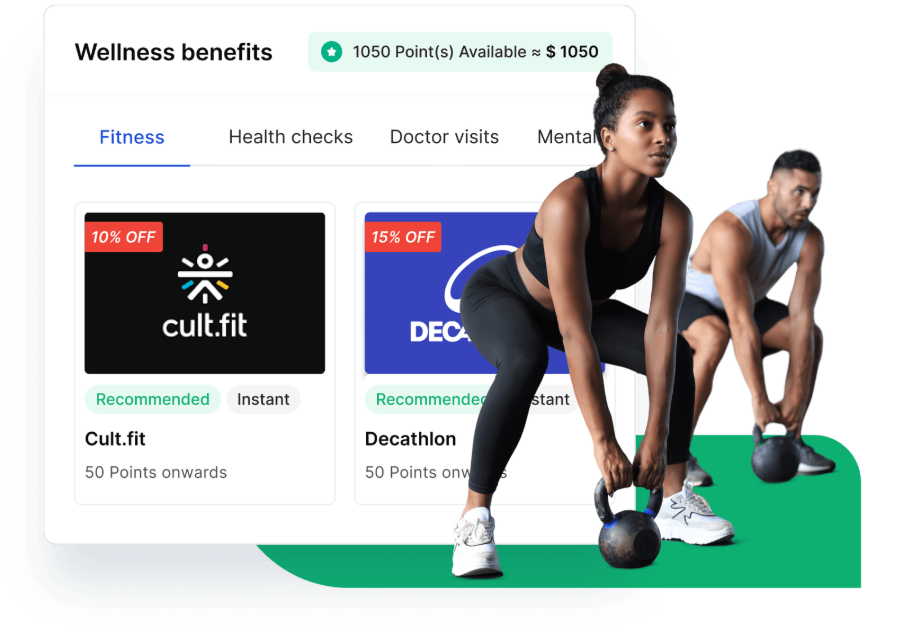
A future-ready wellness strategy enables employers to:
- Extend preventive care beyond annual checkups
- Include mental health support, fitness benefits, and insurance coverage
- Deliver integrated well being programs for employees through a unified platform
By centralizing wellness initiatives, organizations reduce administrative complexity while ensuring compliance with evolving labour law for employees.
2. Financial wellness beyond timely wage compliance
While the labour codes emphasize timely wage payments, financial well-being extends beyond pay cycles. Short-term financial stress can directly impact productivity, morale, and engagement—even when wages are paid on time.
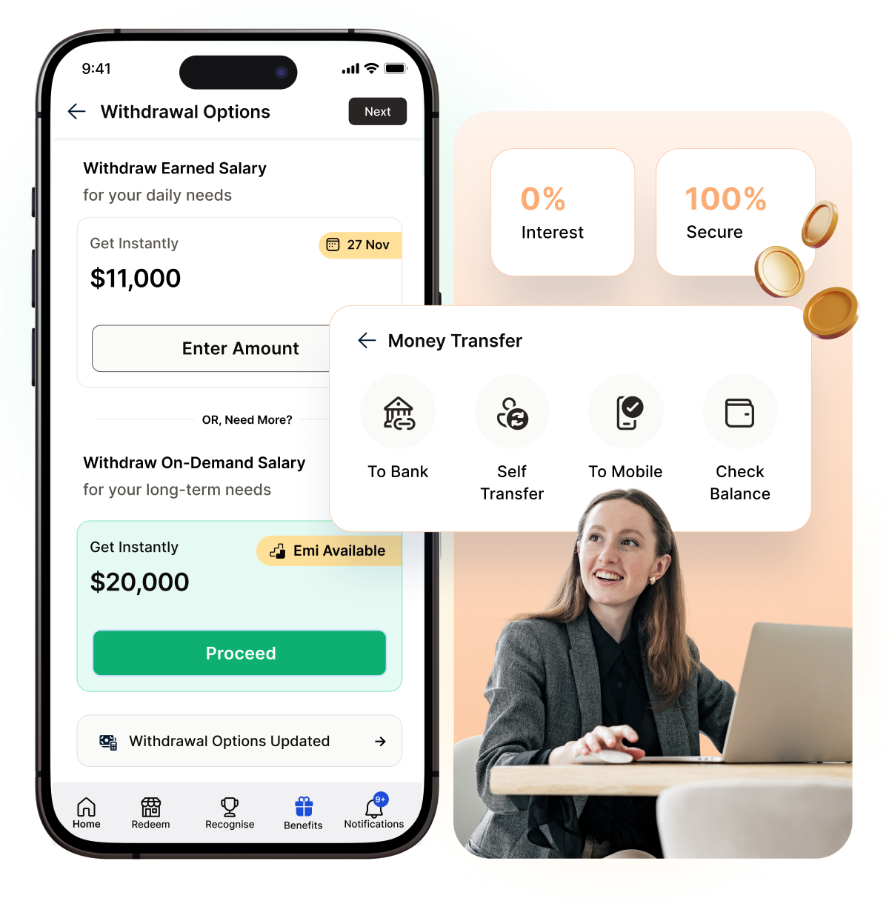
Modern employee wellness programs address this gap by:
- Supporting financial flexibility between pay cycles
- Reducing stress linked to unexpected expenses
- Reinforcing financial security as part of employee benefits in India
By complementing statutory wage compliance with financial wellness tools, organizations align closely with the intent of labour law for employee wellness, ensuring stability, dignity, and trust at work.
3. Total rewards that go beyond minimum wages
The Code on Wages introduces a national floor wage to ensure baseline financial security. However, competitive employers recognize that statutory minimums alone are not enough to attract or retain talent.
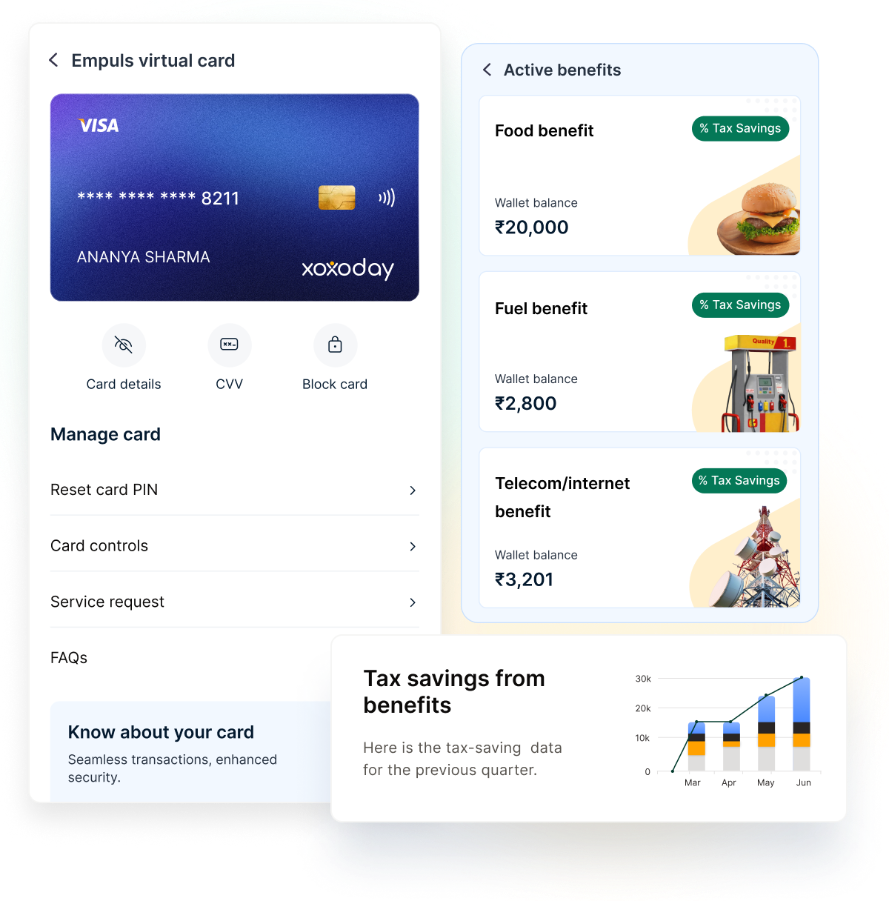
The best employee wellness programs integrate:
- Statutory benefits with lifestyle and tax-saving benefits
- Recognition and rewards that reinforce performance and belonging
- Holistic employee benefits designed around real-life needs
By building total rewards strategies that extend beyond compliance, organizations turn labour law for employees into a long-term engagement advantage.
4. Enabling inclusive wellness and engagement for gig and deskless workers
The formal recognition of gig and platform workers under India’s new labour laws marks a significant step toward strengthening employee rights in India across non-traditional employment models.
With social security coverage and aggregator responsibility now mandated, organizations must rethink how they deliver employee wellness programs to workforces that are mobile, distributed, and often deskless.

For organizations managing large gig or blue-collar workforces, Empuls enables:
- Delivery of wellness and benefits directly through mobile devices
- Consistent engagement, recognition, and rewards for deskless employees
- Scalable deployment across geographies and workforce categories
By extending employee health and wellness programs to gig and deskless workers in a practical, tech-enabled way, organizations can meet statutory obligations while also fostering inclusion, dignity, and long-term engagement.
Discover how Xoxoday helps Indian organizations build future-ready employee wellness programs that go beyond compliance
Wrapping up
India’s new labour laws have made employee wellness a core part of labour law for employees, covering preventive healthcare, financial security, and inclusive protections across workforce types. What was once optional is now embedded in employee rights in India.
Yet, compliance alone is not enough. Organizations that treat employee wellness programs as a checkbox may meet regulatory requirements but miss the opportunity to build engagement and trust. Those that go further—by designing holistic employee health and wellness programs that address real employee needs, create stronger, more resilient workforces.
As labour law for employee wellness continues to evolve, the most successful organizations will be those that move beyond minimum mandates and position employee well-being as a strategic driver of engagement, performance, and long-term growth.