On this page
Belonging is not a perk. It is a core need. When people feel that they belong at work, they bring more of themselves to their roles. They contribute better ideas, speak with more confidence, and stay longer. The absence of belonging, on the other hand, leads to quiet disengagement, passive compliance, or eventual attrition.
A sense of belonging in the workplace means that employees feel accepted, valued, and part of a shared purpose. It comes from trust, connection, and recognition—not from broad mission statements or one-off initiatives.
To build it, leaders need to create the conditions for people to feel safe, included, and respected in their day-to-day interactions.
What belonging at work really means
Belonging is not the same as culture fit. It is not assimilation. Belonging allows people to be seen as they are and still feel accepted. This includes their working style, background, opinions, and identity.
It also goes beyond inclusion. Inclusion focuses on who gets a seat at the table. Belonging reflects how people feel once they are in the room. It answers the question: Do I matter here?
Why belonging impacts business outcomes
When employees feel like they belong, performance improves. According to a study by BetterUp, employees with a high sense of belonging showed a 56 percent increase in job performance, a 50 percent drop in turnover risk, and a 75 percent reduction in sick days.
Another study by McKinsey found that organizations with high inclusivity and belonging scores outperform their peers by up to 36 percent in profitability.
Retention improves, engagement levels rise, and employees show more discretionary effort. Belonging is not only a people initiative. It affects business outcomes directly.
Common barriers to belonging
Barriers often persist because they are built into routines and systems, not because of intent. These barriers make some employees feel excluded, overlooked, or disconnected.
1. Unequal recognition
When recognition goes to the same people repeatedly—often those who are vocal, visible, or in leadership roles—others begin to feel invisible. This creates a perception that contributions only matter when they are seen by the right people or framed in a certain way.
2. One-way communication
If updates always flow from leadership with little room for questions or feedback, employees may feel like their voice does not count. A lack of two-way communication reduces trust and limits collaboration.
3. Exclusion in team rituals
Celebrations, townhalls, or informal events often reflect the dominant culture or local norms. Employees who do not share those norms may feel out of place. If events cater to one region or time zone, remote teams feel left out.
4. Rigid expectations
When success is tied to a single working style—such as always being online, speaking up in meetings, or following traditional schedules—people who operate differently struggle to feel accepted. Flexibility is critical for authenticity.
5. Location bias
In global or hybrid teams, people closer to headquarters or in-office setups often have more access to decision-makers. Remote workers may find it harder to stay informed, involved, or recognized, even when their output is strong.
6. Visibility based on personality
Introverted or quiet employees may find it hard to get noticed if visibility is tied to self-promotion. Without systems that highlight contribution objectively, those who stay behind the scenes are often overlooked.
Foundations of belonging
Belonging starts with how people are treated and how systems are built. These foundations help people feel safe, valued, and included in a way that is authentic to them.
1. Psychological safety
Employees must feel comfortable expressing concerns, asking for help, or admitting mistakes without fear. When safety is present, people speak up more and participate freely.
2 Peer relationships
Belonging does not only come from manager approval. Peer connection builds trust, loyalty, and shared responsibility. Strong team bonds are one of the most powerful drivers of retention.
3. Recognition and visibility
People want to know their work matters. Regular, specific, and fair recognition shows that efforts are seen and appreciated. Visibility supports both motivation and growth.
4. Cultural adaptability
A company should offer room for teams to create local customs that reflect their work style. One cultural blueprint cannot serve everyone. Flexibility allows for inclusion without forcing uniformity.
5. Manager influence
Managers shape how teams experience culture. Their tone, habits, and presence set the emotional climate. A consistent, fair, and inclusive manager builds trust faster than any program can.
Practical steps to build belonging
Here are direct actions that HR teams and managers can take to increase belonging at every stage of the employee journey.
1. Onboarding
- Assign a peer buddy from day one to help the new hire integrate into the team.
- Personalize onboarding messages and rituals to reflect the new hire’s role and location.
- Involve the full team in welcoming the new hire, not only HR or managers.
- Showcase values and stories that reflect diversity within the company.
2. Daily work
- Encourage managers to ask "How are you feeling about your work?" in weekly check-ins.
- Create channels for informal conversations beyond work updates.
- Use recognition tools that allow peer-to-peer shoutouts, not only top-down awards.
- Make contribution visible across hybrid and remote teams.
3. Communication
- Rotate meeting facilitators so that different voices are heard.
- Share meeting agendas in advance and invite asynchronous inputs.
- Translate key updates or messages for global teams, not only in one language or format.
- Build community groups by interest, region, or function where people can share freely.
4. Recognition
- Make recognition timely and specific. Generic praise does not build connection.
- Highlight different types of contributions—collaboration, problem solving, mentoring, consistency.
- Allow employees to define what recognition means to them.
- Avoid over-indexing on public recognition. Some people prefer private messages.
5. Milestones and celebrations
- Celebrate both professional and personal milestones—birthdays, work anniversaries, project launches.
- Use shared wishboards or townhall shoutouts to create a culture of collective appreciation.
- Include new hires and remote employees in celebrations, not only the office staff.
6. Feedback and listening
- Send regular pulse surveys to understand how employees feel across functions.
- Act on feedback and close the loop by sharing outcomes and planned actions.
- Use AI tools to analyze open-ended feedback and surface hidden sentiment patterns.
- Encourage open Q&A with leadership through AMA formats.
7. Exit experience
- Make exit interviews more than formalities. Ask: What made you stay? What made you leave?
- Celebrate the person’s contributions instead of making exits feel transactional.
- Keep the door open for rehires or alumni engagement.
The role of technology
Technology can support belonging by enabling consistency, access, and visibility at scale. It ensures that key moments—recognition, feedback, celebration—are not left to chance.
1. Consistent recognition
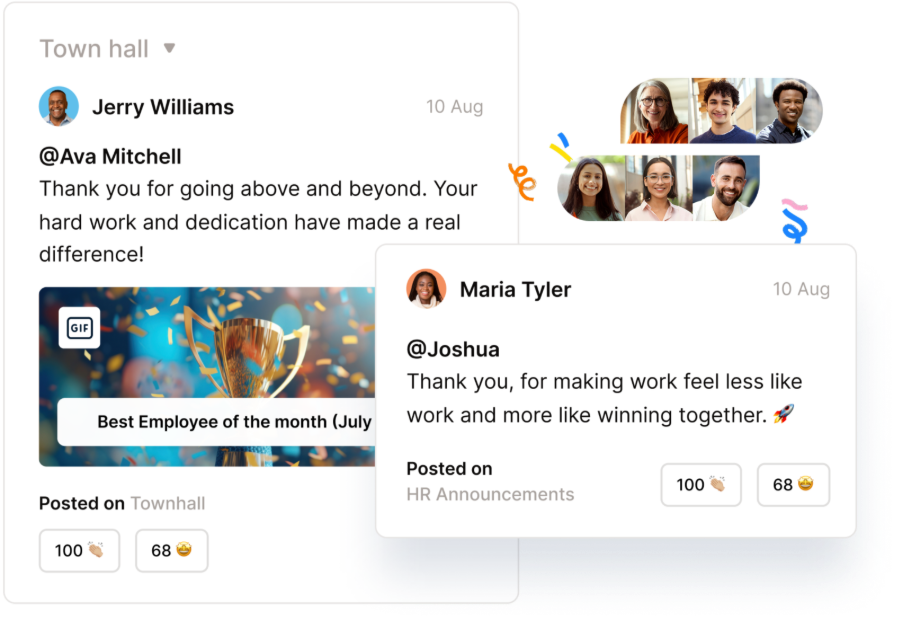
A digital rewards and recognition platform ensures that appreciation is shared widely and on time. Peer-to-peer tools let everyone take part, not just managers. Scheduled nudges reduce missed opportunities.
2. Integrated communication
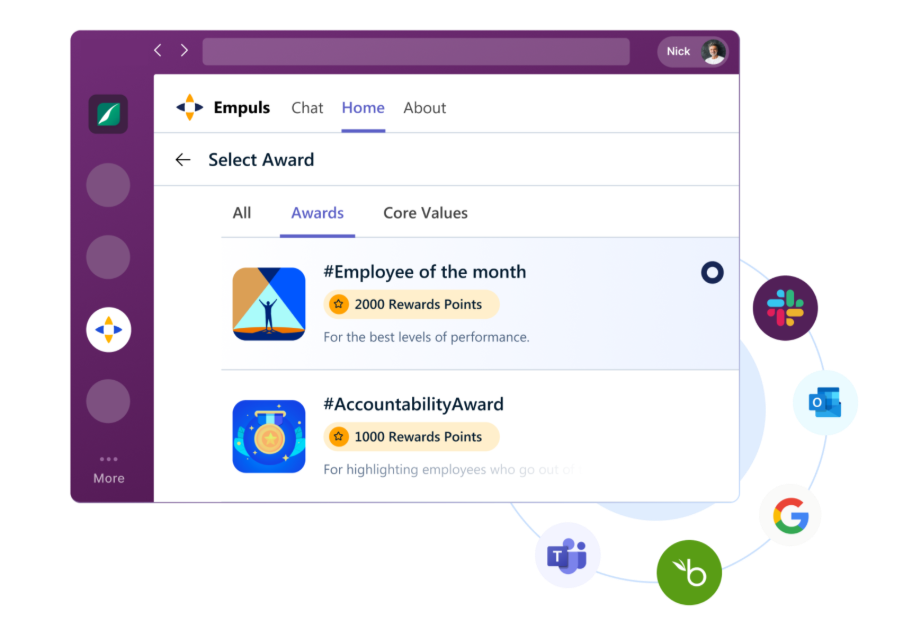
When recognition, feedback, and updates happen inside tools employees already use—like Slack, MS Teams, or Outlook—it removes extra steps. This keeps belonging in the flow of work.
3. Digital communities
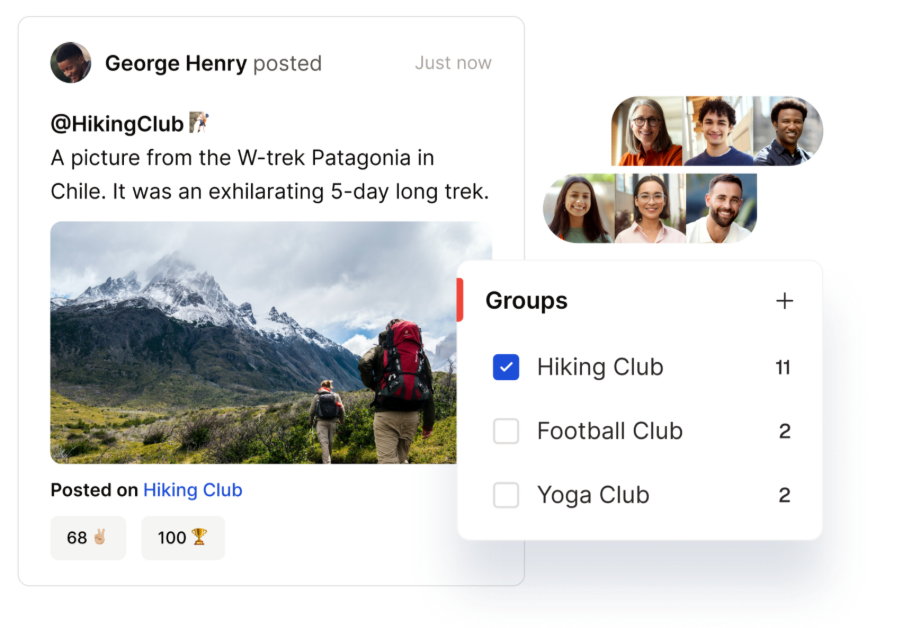
Tools like social intranets and community groups help build informal connections across locations and functions. These spaces reflect personal interests, shared goals, and support systems.
4. Listening at scale
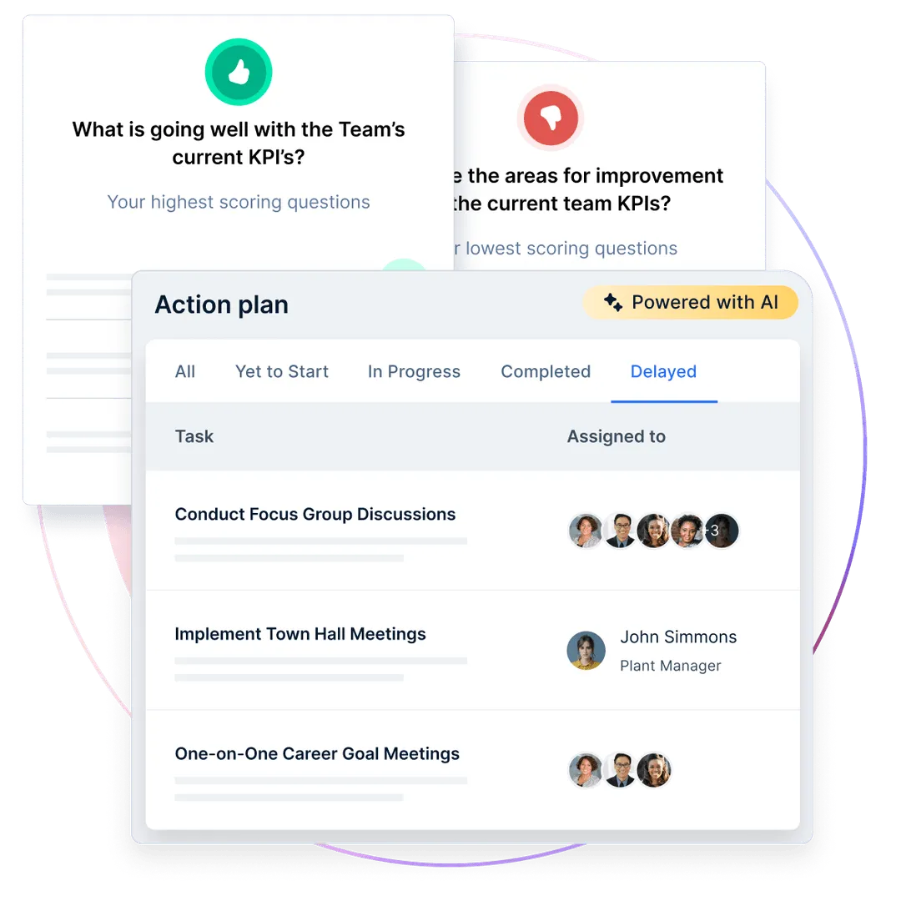
Survey tools with analytics help HR teams understand how employees feel across regions or demographics. AI can summarize open feedback and identify issues that manual analysis may miss.
5. Process automation
Tasks like birthday wishes, service awards, or feedback cycles can run automatically. This frees up managers and HR to focus on conversations and coaching instead of logistics.

Signs that belonging is missing
When employees do not feel like they belong, they often stop engaging. The signs are subtle at first but become more visible over time if not addressed.
1. Withdrawal in meetings
Employees who feel disconnected may stop asking questions, sharing ideas, or participating in discussions. They may attend meetings but stay silent unless prompted.
2. Increase in attrition
Higher turnover in specific teams, even without workload issues, can reflect poor team culture. Exit interviews often reveal a lack of recognition, support, or fairness as key drivers.
3. Low engagement in programs
When employees do not feel represented in the company culture, they are less likely to join recognition programs, social groups, or wellness initiatives. Low participation is not always about interest—it can be about exclusion.
4. Feedback with warning phrases
Employee surveys that include phrases like “I don’t feel seen” or “My opinion doesn’t matter” are clear signals. These are not vague complaints—they are indicators that trust is broken.
5. Silence from remote or new employees
New hires or remote workers who do not ask questions, speak up in forums, or participate in informal chats may feel like outsiders. Their silence is not always a sign of shyness—it can be a signal of disconnect.
Who owns belonging?
Belonging is not owned by HR. It is built by everyone. But HR and leaders can model the behavior, build the systems, and remove the blockers.
Managers shape the daily experience of belonging. Their behavior, consistency, and communication style influence how safe and included people feel.
HR teams design the scaffolding—onboarding, feedback loops, recognition workflows, and people policies.
Employees bring belonging to life through peer connection, rituals, and respect. When people know that their input matters, they help create the culture they want to be part of.
Final thoughts
A sense of belonging does not come from a campaign or a slogan. It comes from the small signals that say: You matter here. Your work counts. You are seen.
Organizations that build belonging intentionally see better performance, lower attrition, and a stronger culture. People give more when they feel like they are part of something that includes them, not something they must adjust themselves to fit into.
Belonging is built in the everyday moments—not at the surface, but at the core of how people work together.