Labour Code 2025 Impact on IT/ITES Companies: What CHROs Must Do
Labour Code 2025 is transforming labour laws for IT companies in India. This CHRO-focused guide explains what’s changing across wages, wellness, and gig workers, and how to turn compliance into a scalable people strategy.

On this page
Labour Code 2025 marks a major turning point for the IT and ITES sector, bringing some of the most far-reaching changes India has seen in employment regulation in decades.
From stricter salary timelines and preventive healthcare mandates to expanded coverage for gig workers, the new labour code India reshapes how tech organizations approach compliance, workforce wellbeing, and pay structures.
For CHROs, this shift goes well beyond legal readiness. The labour laws for IT companies in Indiaimpact directly impacts salary restructuring, employee wellness programs, gig worker engagement, and overall compensation management, areas that already sit at the heart of IT/ITES talent strategy.
In a competitive and fast-moving industry, treating Labour Code 2025 as a checkbox exercise is no longer enough. What CHROs must focus on now:
- Align salary structures and payroll processes with Labour Code 2025
- Ensure timely wage payments and stronger payroll governance
- Expand employee wellness initiatives beyond statutory requirements
- Include gig and contract workers in engagement frameworks
- Build a total rewards IT sector strategy that goes beyond minimum wages.
This blog unpacks the labour laws for IT companies in India and outlines:
- What has changed under the new labour code and why it matters
- The strategic implications for IT/ITES CHROs
- How organizations can move from IT to ITES compliance to meaningful workforce engagement.
As India's tech and infra continue to scale, CHROs who connect compliance with employee experience will be best positioned to drive sustainable growth.
Decoding labour laws for IT companies in India: what changed for IT/ITES
Labour Code 2025 is more than a regulatory update; it fundamentally alters how IT and ITES organizations manage wages, workforce structures, employee wellbeing, and social security. For CHROs, this marks a shift from fragmented compliance to integrated IT and ITES compliance and workforce strategy under the new labour code India framework.
To make sense of the changes, here’s a breakdown of what has materially changed, and why it matters for the tech sector.
1. Salary timelines are now legally enforceable
The new labour code for IT makes timely wage payments a statutory requirement, not an operational best practice.
- Salaries must be paid on or before the 7th of every month for establishments with monthly payroll cycles
- Delays can attract penalties, making payroll governance a board-level risk
- Salary restructuring, variable pay cycles, and off-cycle corrections now need tighter controls.
This change directly impacts compensation management in IT/ITES organizations, where complex pay structures and performance-linked components are common.
2. National floor wage establishes a universal baseline
The Code on Wages introduces a statutory floor wage set by the Central Government, below which no state can set its minimum wage.
- All employees are legally entitled to minimum wages, regardless of sector
- Entry-level IT support roles, subcontracted staff, and backend operations are directly affected
- Vendor and partner ecosystems supporting india tech and infra must also align
While IT/ITES salaries typically exceed minimum wages, this change reinforces the need for transparent salary structures and consistent pay definitions across roles.
3. Preventive healthcare is now a statutory employer responsibility
For the first time, preventive health becomes a defined employer obligation under Labour Code 2025.
- Mandatory free annual health check-ups for employees above 40 years
- Greater accountability for occupational health and working conditions
- Increased focus on long-term employee wellbeing, not just workplace safety
For IT/ITES organizations, where sedentary work, screen fatigue, and burnout are prevalent, this elevates the role of structured employee wellness platforms from “nice-to-have” to compliance-adjacent infrastructure.
4. Gig and platform workers are formally recognized
The Social Security Code formally defines gig and platform workers, extending statutory protections to non-traditional employment models.
- Aggregators must contribute 1–2% of annual turnover toward social security
- Contributions are capped at 5% of total gig/platform worker payouts
- Enables future access to benefits like insurance, pensions, and welfare schemes
For IT/ITES companies relying on contractors, freelancers, and project-based specialists, this makes gig worker engagement a strategic and operational priority, not an optional HR initiative.
5. Mandatory appointment letters and formal employment terms
Labour Code 2025 strengthens employment formalization across all worker categories.
- Appointment letters become mandatory for all employees
- Improved transparency in roles, wages, and benefits
- Portability of social security benefits across jobs
This impacts IT/ITES firms with high attrition, fixed-term contracts, and project staffing models, requiring standardized documentation and aligned HR systems.
6. Stronger focus on pay equity and inclusive workforce participation
The Code reinforces fairness and inclusion across modern workplaces.
- Equal pay for equal work is explicitly strengthened
- Women are permitted to work night shifts with prescribed safeguards and consent
- Faster dispute resolution mechanisms increase employer accountability
For global delivery centers and 24/7 ITES operations, this has direct implications for policy design, workforce planning, and CHRO strategy.
Labour Code 2025: CHRO lens and why it matters for IT/ITES
Explore this detailed breakdown to understand what’s changing and why it matters.
Strategic implications: The CHRO playbook for labour laws for IT companies in India
With the regulatory groundwork clarified, the focus now shifts from what changed to what CHROs must do next. For IT/ITES leaders, Labour Code 2025 demands execution at scale—across payroll, wellbeing, gig worker inclusion, and total rewards—without slowing down fast-moving businesses.
The table below translates Labour Code 2025 requirements into a practical, CHRO-led action plan tailored to IT/ITES realities such as hybrid work, variable pay, and extended workforces.
The CHRO playbook for labour laws in India for IT companies
Why this playbook matters now
The labour laws in India for IT companies compress the gap between compliance and culture. Payroll precision, financial wellness, gig worker engagement, and holistic rewards are no longer separate HR initiatives—they are interconnected pillars of CHRO strategy under the new labour code for IT.
Once these strategic levers are aligned, organizations are better positioned to move from regulatory readiness to measurable employee experience transformation.
That’s where execution platforms, and not just policies, start to play a defining role.
For most IT and ITES companies, Labour Code 2025 introduces multiple, interconnected obligations that traditionally sit across different HR silos:
- Preventive healthcare and wellbeing programs
- Timely wages and financial stability initiatives
- Inclusion of gig, contract, and fixed-term workers
- Total rewards strategies that go beyond statutory minimums
Managing each of these through standalone vendors, spreadsheets, or manual workflows increases compliance risk, data fragmentation, and operational overhead, especially in large, distributed, or hybrid tech teams.
-> Centralized execution of wellness, rewards, and engagement programs
-> Flexibility to extend benefits and recognition across diverse workforce types
->Visibility and governance without adding payroll or finance complexity
-> A way to turn IT ITES compliance into a measurable, engaging employee experience
Achieving this requires more than policies; it requires a unified employee engagement solution that can operationalize intent at scale.
This is where future-ready organizations are rethinking not just tools, but platforms.
See how leading organizations are rethinking benefits for the future.
Explore the future of employee benefits →
How Xoxoday helps organizations move from compliance to value creation
Built in India and designed for Indian enterprises, Xoxoday represents a new generation of HR and growth technology—created with a deep understanding of local regulations, workforce diversity, and operational realities.
Xoxoday takes a tech-first, forward-looking approach to solving complex business challenges—anticipating regulatory shifts, workforce evolution, and the growing need for scalable engagement models across customers, employees, and channel partners.
Today, Xoxoday powers a single, integrated platform for:
- Global rewards marketplace
- Employee rewards and benefits solutions
- Sales and channel incentives automation
- Loyalty solutions for customers and partners
All unified by one philosophy: driving sustainable growth through engaged people and networks.
With that foundation, the platform naturally aligns with the intent and requirements of labour laws in India for IT companies.
1. Preventive healthcare, delivered through structured engagement
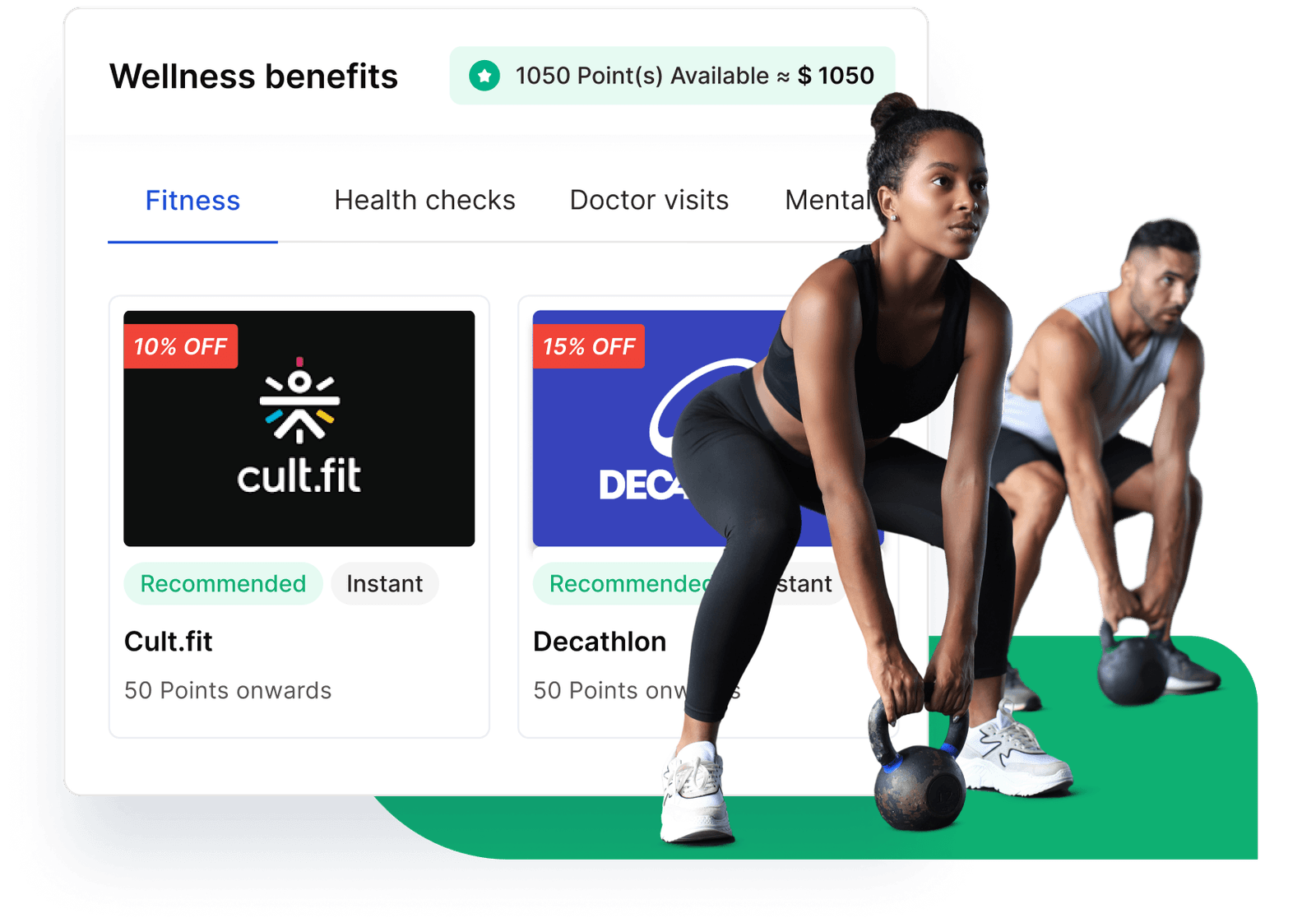
The Labour Code mandates free annual health check-ups for workers above 40 years, but for IT/ITES organizations, wellbeing extends far beyond a single compliance checkpoint.
A modern employee engagement solution enables organizations to:
- Deliver wellness initiatives as ongoing programs, not one-time events
- Integrate preventive health, mental wellbeing, fitness, and insurance benefits
- Centralize wellness participation, communication, and recognition
This approach reduces administrative complexity while reinforcing a culture of care, particularly critical in high-pressure tech environments.
2. Financial wellness that complements timely wage compliance
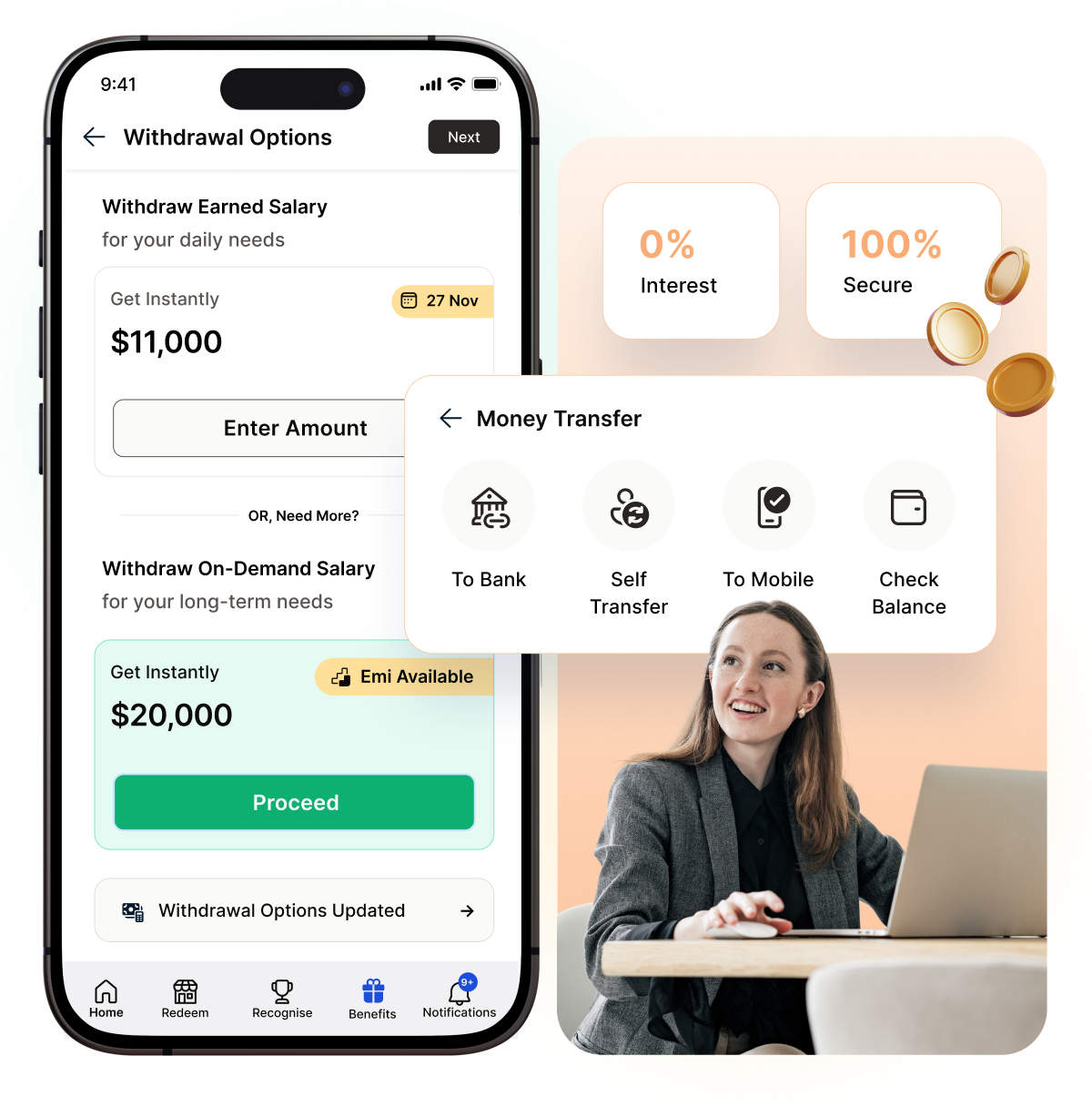
While Labour Code 2025 enforces strict timelines for wage payments, employee financial stress often exists between pay cycles. Addressing this gap is essential for morale, productivity, and retention.
A robust workforce engagement solution supports financial wellness by:
- Enabling earned wage access without altering payroll workflows
- Offering employees flexibility during financial emergencies
- Supporting the broader objective of dignity, stability, and trust at work
This strengthens compliance while enhancing day-to-day employee experience, without adding employer liability.
3. Inclusive engagement for gig and platform workers
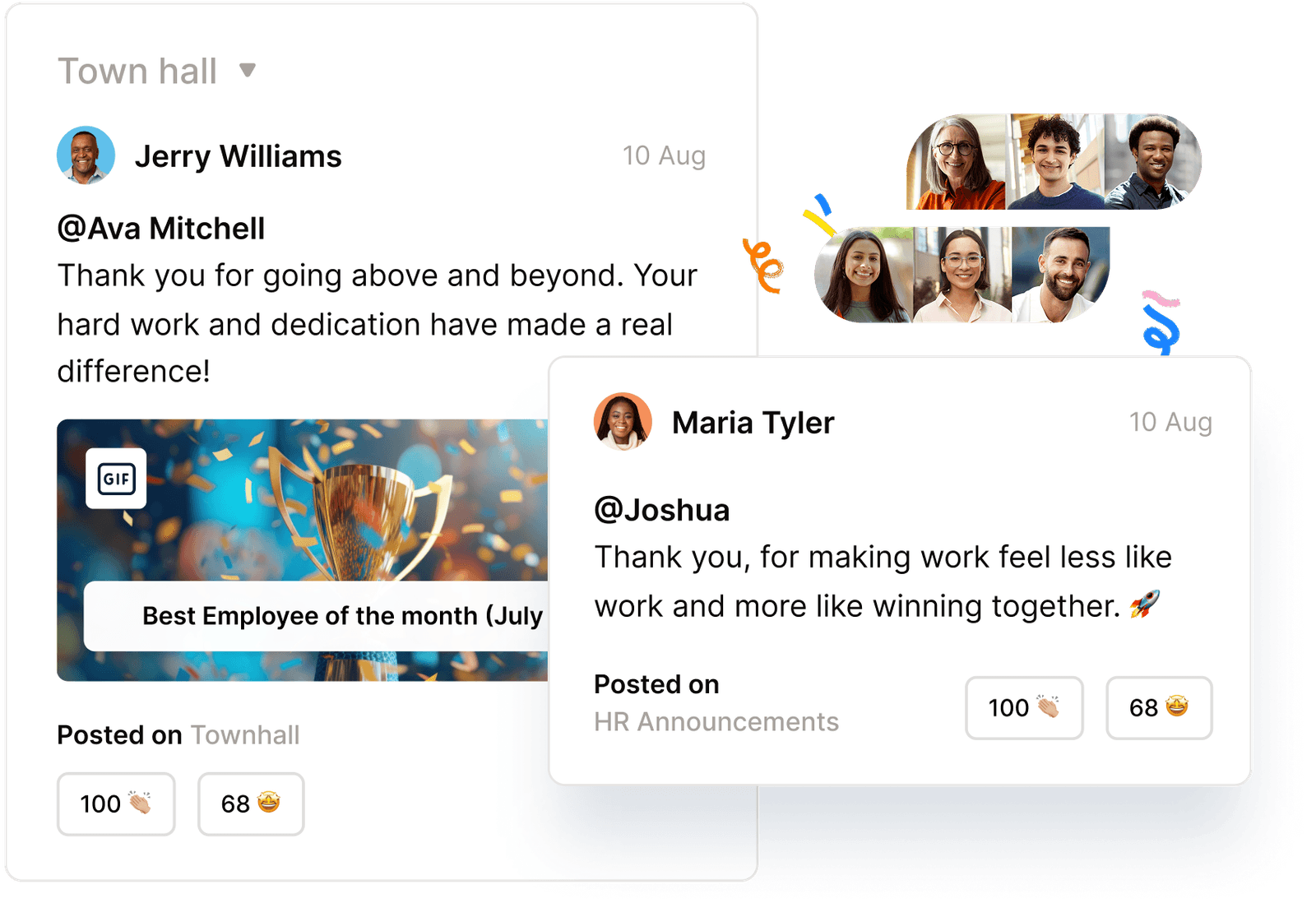
With gig and platform workers formally recognized under the new labour code India framework, engagement can no longer stop at payroll boundaries.
An adaptable R&R solution allows IT/ITES companies to:
- Extend recognition, rewards, and perks to gig and contractual workers
- Maintain consistency in engagement without forcing uniform benefits
- Build belonging and motivation across diverse workforce models
This directly supports gig worker engagement while aligning with evolving compliance expectations.
4. Total rewards beyond minimum wages
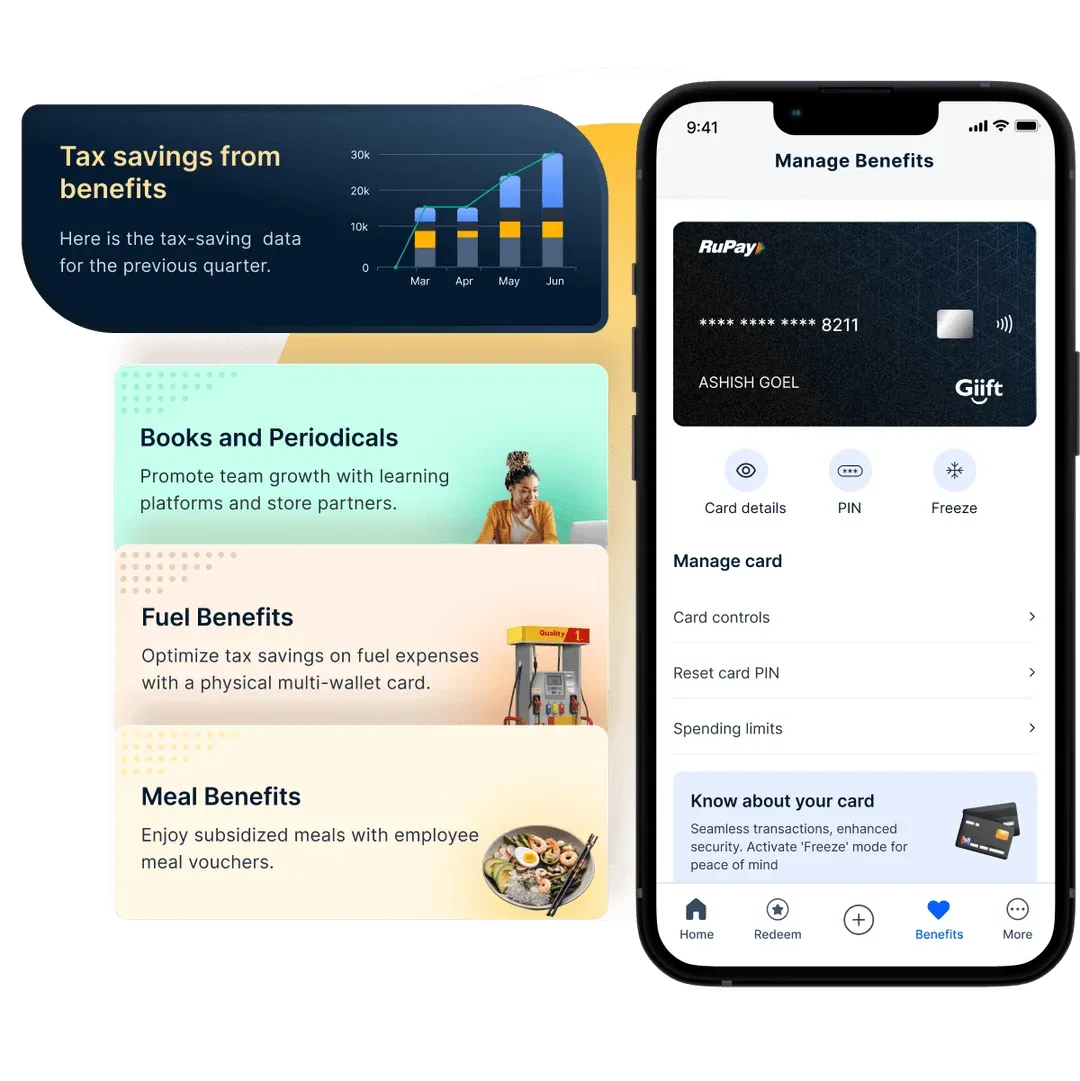
The introduction of a national floor wage sets a compliance baseline—but in the IT sector, it does not drive attraction or retention.
A comprehensive workforce engagement solution enables organizations to build total rewards strategies that include:
- Flexible and tax-efficient benefits
- Lifestyle spending options and curated discounts
- Recognition programs tied to performance and values
By moving beyond statutory minimums, organizations create a stronger employee value proposition—one that supports both compensation management and long-term talent strategy in a competitive IT/ITES market.
Schedule a call with us to explore how this can work for your organization.
Conclusion
Labour Code 2025 marks a decisive shift for IT and ITES organizations, one where compliance, employee wellbeing, and workforce inclusion are no longer separate conversations. For CHROs, the mandate is clear: move beyond policy readiness to execution models that can scale across diverse, distributed teams.
Organizations that approach the new labour code in India as an opportunity, rather than a constraint, will be better positioned to strengthen trust, improve engagement, and build resilient talent strategies. In a competitive tech landscape, the ability to align IT, ITES compliance, financial wellness, and total rewards into a cohesive employee experience will define the next generation of people-led growth.